
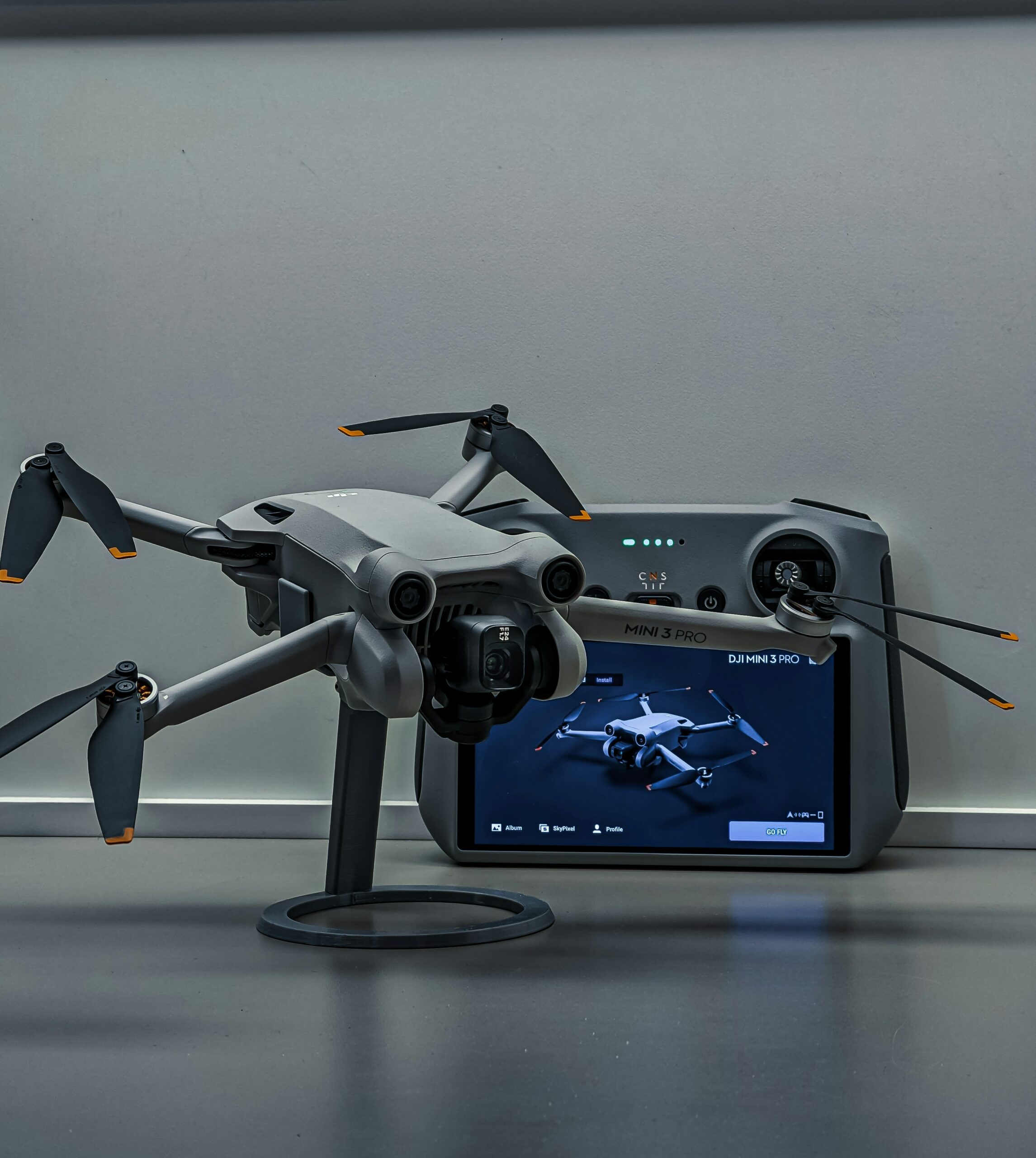
Drones have proven an effective way to overcome NHS supply chain delays. By bypassing congested roads and unreliable delivery routes, drone networks like Zipline ensure that blood, vaccines, diagnostics, and urgent medicines reach hospitals exactly when they’re needed.
While the NHS struggles with staffing pressures, poor infrastructure, and fragile supply chains, drones offer a resilient alternative that forces the health sector to rethink logistics. Instead of innovation being the challenge, the real task is integrating this new delivery model into everyday operations. Today, drone-delivered medicine is making medical delivery easier and faster.
The NHS is in charge of one of the biggest healthcare systems in the world. It is in charge of millions of patients across hospitals, institutions, clinics, laboratories, and pharmacies spread across big cities and even rural regions, making up a very complex and difficult system to oversee, especially when something goes horribly wrong.
The NHS’s reliance on road-based supply chains leaves it vulnerable to disruption. Blood expires, diagnostic samples are delayed, and urgent medicines often arrive too late because of congestion, bad weather, or staff shortages. These weaknesses mean that even minor interruptions can force doctors to cancel appointments or postpone care, sometimes with fatal consequences. Zipline’s drone delivery network was introduced to address this fundamental flaw: the lack of a reliable, time-sensitive transport method beyond the road.
Over a decade ago, an American, Keller Rinaudo, was in Tanzania, and during his stay, he noticed something worrying about the hospitals he had been visiting. They had doctors and nurses, but they lacked major supplies like blood. Even when traffic was at its worst, it could take hours or days for them to arrive from major cities. Even in emergencies, all the doctors could do was wait.
Logistics companies were hindered by road problems, but Rinaudo saw things differently. It wanted to make deliveries easier to save lives, and roads wouldn’t cut it, so drones were introduced. The goal was simple: to store medical supplies in hubs and be able to deliver them immediately.
Zipline focused on carrying out reliable deliveries, ensuring that their drones were safe and ready for flight, and also having a bond of confidence with hospitals and aviation regulators. Zipline started because Rinaudo was trying to solve a problem: delivering blood on time. And this led to a model that has completely changed what medical logistics could look like anywhere in the world.
Zipline forged its reputation in certain African countries like Rwanda and Ghana, just to name a few. These countries experienced several medical logistics failures that became a national concern because of the impact it was having on the health sector and, most importantly, the patients in need of medical assistance. Zipline came up with a delivery model: the creation of a drone delivery network that could transport blood, vaccines, and essential medicines by air to hospitals in rural areas within minutes and with no “traffic congestion.”
These drones weren’t just a “one-off” thing; they operated whenever they were needed, regardless of the weather conditions, with strict safety standards.
Zipline was already a trusted drone delivery company before it entered North America. Over the years, the company has completed more than two million commercial deliveries of 20 million different items across several countries, raising its valuation to $7.6 billion (Bloomberg).
Zipline is not like other consumer drone delivery services. Its mode of operation is more similar to aviation than it is to gadget technology. The drones are prepared for delivery from their distribution hubs. These hubs are where medical supplies are stored for delivery. When a medical order is needed, one of the drones is loaded with it, and it flies from the hub to the hospital.
When the drone arrives at the hospital, it does not have to look for a place to land. It just releases the package using a parachute, and it returns to the hub. This delivery model is predictable and efficient. Flights are scheduled. Routes are always fixed. Weather and airspace are always monitored. Repeating the same delivery process becomes part of the operations, and trust grows.
The NHS has always been concerned about how safe drone deliveries are. Especially when you consider that airspace has strict regulations, especially in overpopulated areas.
Zipline considered this, and from the early days, the drones were made to operate within designated airspace. The drones were equipped with several fail-safe systems, and the flights were monitored in real time. The drones were also equipped to respond safely to system failure or anything else that might cause problems.
Most importantly, Zipline made a partnership with the aviation authorities for easy movement and less hassle.
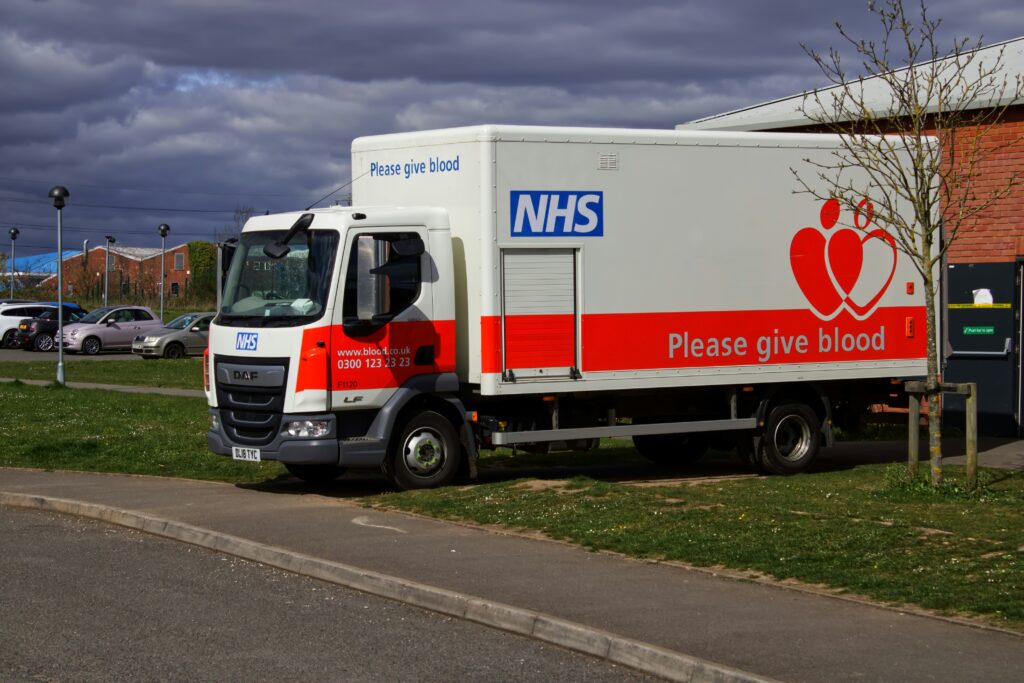
Image: Unsplash
Because logistics failures are so expensive, the NHS partnered with Zipline. The NHS needed a way to handle the urgent requests, and Zipline could make it happen. Their drones handled the important lightweight deliveries, while the NHS vans handled the larger deliveries. This hybrid model significantly reduced pressure on staff, and deliveries became efficient.
It is easy for people to “overhype” what drones actually do when it comes to deliveries. They’re not the “miracle workers” for NHS logistics, but they’re capable of handling the specific problems handed to them. Problems like:
During the COVID-19 pandemic, there was pressure on healthcare systems to deliver supplies on time. And as a result, emergency logistics became a priority.
Can drones safely deliver medical equipment? Can they move medical supplies between hospitals on time? These questions transformed how the NHS saw drone delivery. Zipline demonstrated that its operations were trustworthy, safe, and reliable.
This opened the door for other logistics innovations, like AI-driven routing and IoT-powered cold chain monitoring, among others, to come on board. In a broader sense, Zipline’s influence on the NHS extended beyond drone delivery.
Zipline’s entry into the US market reflects a growing trend in North American healthcare innovation, in which logistics has been transformed into a competitive advantage rather than a supporting function.
Hospitals are also investing heavily in supply chain resilience, and Zipline drone deliveries fit into this model, particularly in rural areas that require medical attention. Adopting Zipline’s model, which has proven successful on multiple continents, has proved to be a problem solver.
Wrapping up, Zipline’s story is not just about its innovation. It is mainly about solving a problem that’s been in the system for years. Zipline’s drones are excellent examples that innovations can create wonders and make lives easier. By merging them with existing logistics systems instead of replacing them, it has made medical delivery to hospitals by road or air a lot easier. Sometimes, change arrives “by air,” and Zipline has led that change.