
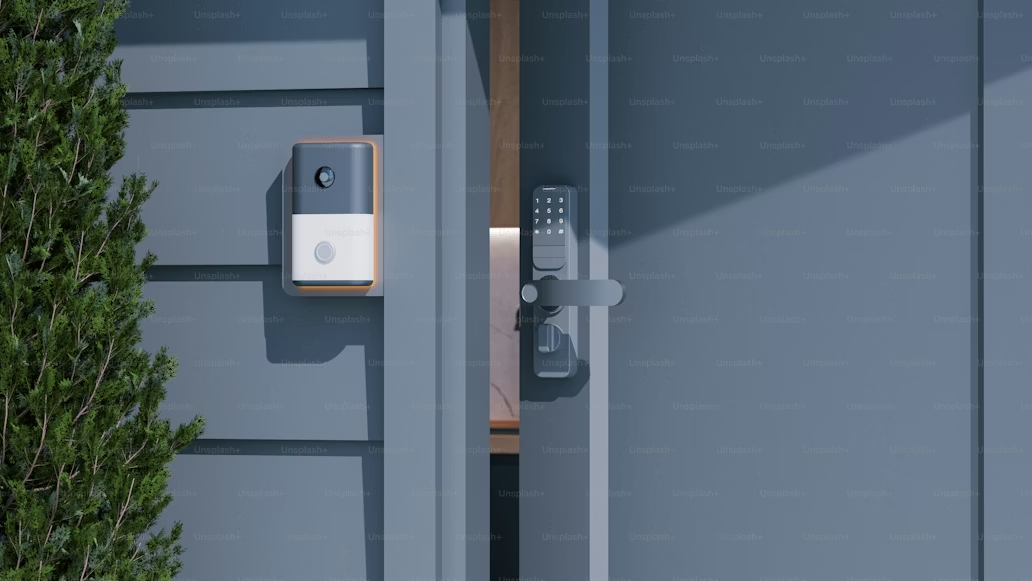
With SimpliSafe, you don’t have to pay monthly fees for home security, so you can choose from a range of monitoring options without having to sign a long-term contract. By removing mandatory subscriptions from its flagship equipment model, the Massachusetts-based company has become one of the most well-known names in the changing U.S. smart home market.
More people are worried about home security, more people are getting tired of their subscriptions, and more people are making their own smart home security system. Because of all of these things, we need to find other ways to get alarm contracts. SimpliSafe has wireless sensors, an app for controlling them, and monitoring services that subscribers can turn on or off whenever they want.
SimpliSafe works on a clear principle: subscribers buy hardware right away and then decide later if they want to add monitoring services.
The system has a base station, wireless sensors for doors and windows, motion detectors, and other cameras. There is no need for professional installation or drilling into walls because everything connects wirelessly. Subscribers put sensors where they are needed, connect them to the main station, and use a keypad or smartphone app to control the system.
The main station has a cellular connection and a backup power source. The system keeps working even if the power or the internet goes out. Detectors send signals to the central station using SimpliSafe’s own wireless technology, which was made to reduce damage and extend battery life.
It usually takes 30 minutes to install. Subscribers take off the sticky backing from sensors and attach them to entry points. The system guides subscribers by placing and monitoring sensors. You don’t need any tools to do a common installation.
SimpliSafe’s equipment operates without a subscription. Individuals can enable and disable the system, receive alerts, and monitor their home by means of the mobile app at no additional cost. The misunderstanding starts because SimpliSafe offers three service tiers:
Beyond traditional alarm companies, SimpliSafe requires no contract for monitoring. Users can enable monitoring for a vacation, then cancel it. They can start it repeatedly months later without penalties or reactivation fees. This adaptability differentiates SimpliSafe from competitors like ADT or Vivint, which usually bundle equipment prices into multi-year monitoring contracts.
SimpliSafe represents a change in the way Americans approach home security. Traditional alarm companies had a clear business model: they gave away or discounted equipment in exchange for a three-year monitoring contract that cost $40 to $60 a month. It took professional installers hours to run wires through the walls. If you cancel early, you’ll have to pay huge cancellation fees. DIY systems turned this model.
Right now, companies like SimpliSafe, Ring, and Wyze sell equipment at full price, but they also offer monitoring as an extra service. It only takes a few minutes to install instead of hours. Subscribers can choose how much they want to commit.
This method fits in with what most consumers want. Younger homeowners and renters prefer ownership over leasing. People are worried about getting charged again and again because of subscription stress. The smart home movement has made it normal for people to install connected devices themselves. SimpliSafe sold over four million systems by 2024. The company has stayed profitable without making customers sign long-term contracts, which shows that the DIY model works on a big scale.
To find out how much SimpliSafe really costs, you need to look at both the equipment and the optional services. You can get a basic SimpliSafe system for as little as $229. This has a base station, a keypad, a motion sensor, and a sensor that tells you when someone comes in. Most users need additional sensors. A usual setup for a three-bedroom home with 10 entry points and two motion detectors costs around $450.
Additional components add to this base. Indoor cameras cost $99 each. Outdoor cameras cost $169. Video doorbells cost $169. Smoke and water sensors cost $19 to $49 each. Over five years, a SimpliSafe system without monitoring costs $450 initially with no repeated fees.
Traditional alarm companies usually charge $45 monthly on a three-year contract. Five years with a traditional provider costs around $2,700, often with equipment subsidies that lock users into the contract. SimpliSafe’s model becomes more economical for users who value flexibility or only need occasional monitoring. It costs more initially but avoids long-term obligations.
SimpliSafe provides essential security features similar to traditional systems. Entry sensors detect when doors and windows open. Motion detectors identify movement inside the home. Glass break sensors respond to the sound of shattering windows. The base station sounds a loud alarm when activated. Professional monitoring sends police, firefighters, or medical help when it’s needed.
You can control the system with your voice through Amazon Alexa and Google Assistant. With the interactive monitoring plan, you can record video, control smart locks, and set up custom alerts. There are limitations:
Battery life on sensors usually ranges from three to five years. The system alerts users when batteries run low. Replacing batteries costs $10 to $20 for each sensor over the system’s lifetime. SimpliSafe’s cellular backup stops internet outages from disabling the system, but the company controls the cellular connection. Users cannot switch to their own SIM card or cellular plan.
Image: Unsplash
SimpliSafe competes in the home security market with lots of options, but each one stands out.Ring, owned by Amazon, provides an alternative DIY installation but focuses on video doorbells and cameras. Ring’s monitoring costs $20 a month for unlimited devices, which makes it a good choice for setups with a lot of cameras. Also, Ring’s sensors and alarm systems don’t get as much attention as SimpliSafe’s main security focus.
Abode is aimed at people who love smart homes and offers a lot of third-party integrations. Abode works with Z-Wave and Zigbee devices, HomeKit, and professional monitoring from countless providers. This flexibility makes things easier for technical users, but it also makes things harder.
Wyze came into the market with very cheap sensors and cameras. Wyze’s monitoring costs only $4.99 a month, but the company’s low prices make people wonder about how reliable it will be in the long run and how good its customer service will be. ADT and Vivint are still the most popular choices among homeowners who want professional installation and a well-known brand. These companies are starting to offer options without contracts because they know that customers want more freedom.
SimpliSafe is in the middle: it’s easier than traditional systems, more focused on security than camera brands, and simpler than platform-agnostic solutions like Abode.
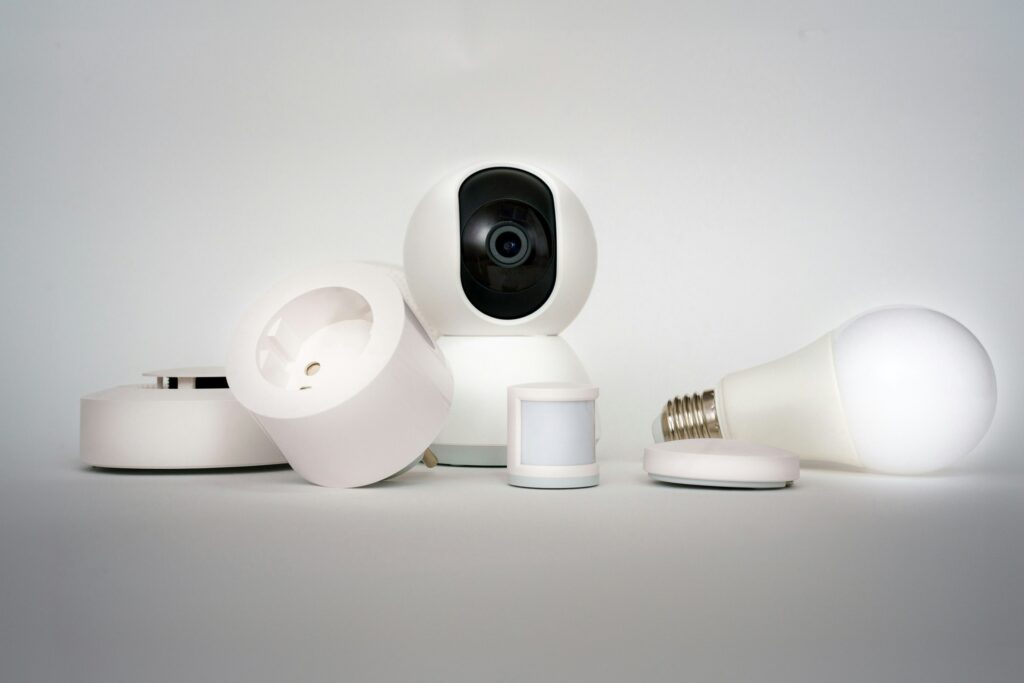
Image: Unsplash
Several factors drive demand for flexible smart home security systems in America. There are more and more renters, and they don’t want to make permanent installations or long-term commitments. Renters who might move in the next two years will like SimpliSafe’s wireless design and monitoring that doesn’t require a contract.
More and more homeowners are putting smart home devices in their homes themselves. Security systems are one type of DIY technology that people are comfortable with. People used to be ashamed to install things themselves, but that has changed as product design has gotten better. People are careful about ongoing costs when their finances are unstable. Being able to stop monitoring during times of financial stress without losing money on equipment is appealing to families on a budget.
Privacy worries about always-on monitoring push some users toward systems they can control directly. These problems are solved by SimpliSafe’s option to work without professional monitoring or cloud recording. The trend toward modular, consumer-controlled services is changing many fields, from streaming to software. Home security follows this pattern.
The way SimpliSafe installs shows that it believes in doing things yourself. The equipment comes in one box with everything inside. The app guides users through the setup process step by step. Users put the base station in the middle, use adhesive strips to attach sensors to entry points, and then use the app to test each sensor.
During installation, the system gives you feedback in real time. If a sensor is unreachable or improperly mounted, the app notifies the user immediately. This instant validation reduces setup mistakes. Most users complete the installation in less than an hour. Including components later takes minutes. The system automatically finds new sensors and helps users name and place them.
The user interface is focused on being simple. The keypad displays clear status indicators. The app doesn’t use technical language; it uses plain language. To give the system power, you only need to tap or say something. You can get help from customer service over the phone, through chat, or by email. Most of the time, response times are quick, but some users say it’s hard to get help when things are busy.
The way SimpliSafe handles money is different from how both traditional alarm companies and startups that get money from investors do it. No one paid attention to the company until 2018, when private equity firm Hellman & Friedman bought it for $1 billion. This late-stage funding let SimpliSafe grow a lot without having to worry about getting quick returns on the public market.
Sales of equipment and optional monitoring subscriptions bring in money. Around half of SimpliSafe customers pay for monitoring services. This conversion rate shows that a lot of people want professional monitoring, even though it’s not required. The business makes hardware to order and runs its own monitoring centers. This vertical integration gives you control over quality and the customer experience, but it costs a lot of money to set up.
SimpliSafe doesn’t use aggressive lock-in tactics. The company competes based on the quality of its products and the value of its services, not on the terms of its contracts. This method builds brand loyalty, but it doesn’t guarantee the same income streams that traditional contracts do.
The SimpliSafe model shows how home security might change in the future. Integration with larger smart home security system is likely to grow. SimpliSafe currently has a closed ecosystem, but if customers want more compatibility, the company may move toward more universal standards.
Artificial intelligence might make monitoring more accurate. False alarms are a problem for the security industry. Using AI to look at sensor data, camera footage, and user patterns could cut down on false positives and make emergency response better.
Energy efficiency and sustainability may become competitive factors. Outdoor cameras and sensors that run on solar power and use temperature differences to get energy could cut down on the need to change batteries. The line between security systems and general home monitoring is getting less clear. Smoke detection, water leak monitoring, and medical alert features now work with traditional security systems. Companies that can do these things well together will have an edge.
Changes in rules could have an effect on the industry. Some local governments cut back on police response to alarms that aren’t confirmed. Systems that can check for emergencies through video or two-way audio may get faster responses.
The rise of SimpliSafe and other DIY systems shows that many people are unhappy with service contracts that are hard to change and want security solutions that they can control. SimpliSafe’s success shows that millions of Americans will pay for equipment up front if it means avoiding long-term commitments and keeping their options open.
This change is in line with changes in consumer technology, such as moving from owned software to optional subscriptions, from bundled services to pick-and-choose options, and from provider lock-in to user choice. Home security is going in the same direction.
In conclusion, how well SimpliSafe does its job will determine if it stays in the lead. The business needs to find a balance between good products, reliable service, and competitive prices, all while resisting pressure to use more aggressive ways to make money. As smart home platforms keep changing, flexible and customizable security models will likely become the norm instead of different ways to protect homes in the US.