Chipper Cash is shaking things up for people who need to send money across African borders. They’re making Bitcoin feel less like something just for tech enthusiasts and more like a real solution for everyday problems, especially the hassle and cost of moving money between countries.
Why does this matter?
Well, it is a shift. People usually talk about crypto as some wild investment, but here it’s actually fixing real problems. Chipper Cash built a peer-to-peer platform that lets you send Bitcoin right alongside your usual mobile money. So now, you get instant transfers that skip past banks and the usual waiting games. It’s quick, it is cheaper, and it is catching on, especially for folks who need to move money fast and don’t want to pay a fortune in fees.
A Bit About the Company Itself
Chipper Cash started back in 2018. The founders, Ham Serunjogi and Maijid Moujaled, wanted to make sending money as easy as texting. At first, the app worked a lot like Venmo or Cash App, but focused on Africa. People could send money to friends or family across borders, and they didn’t have to pay any fees. That was huge, considering how much traditional services charged and how long those transfers used to take.
Chipper Cash brought Bitcoin on board in 2021, building on its broader journey in Africa’s fintech evolution. They made the move after closely observing how users interact with cross-border payments and realizing that crypto could solve real pain points, especially slow international transfers and the ongoing friction around currency conversion in emerging markets.
So far, Chipper Cash has pulled in more than $300 million from investors. They’re running in several African countries, plus the U.S. and the UK.
Why Cross-Border Payments Are Such a Mess
Cross-border payments in Africa are a mess. Sending money from one country to another is expensive and drags on forever. Banks tack on hefty fees. Western Union and similar services take their own big chunk. Sometimes it takes days for the money to show up.
Then there is currency exchange. If you want to send money from Nigeria to Kenya, you are converting naira to shillings. Every bank or transfer service in the chain takes a cut on the rates. It adds up fast.
People in rural areas hit even more roadblocks. Lots of recipients do not have bank accounts or live miles from the nearest pickup point. Mobile money helps, but it doesn’t always work across borders.
All this red tape makes life harder for millions of Africans working in one country and supporting a family in another. The old financial system just hasn’t figured out how to make cross-border payments easy inside Africa.
No wonder chippercash is seriously booming in Africa; they are addressing a huge market need.
Here is Where Chipper Cash Uses Bitcoin.
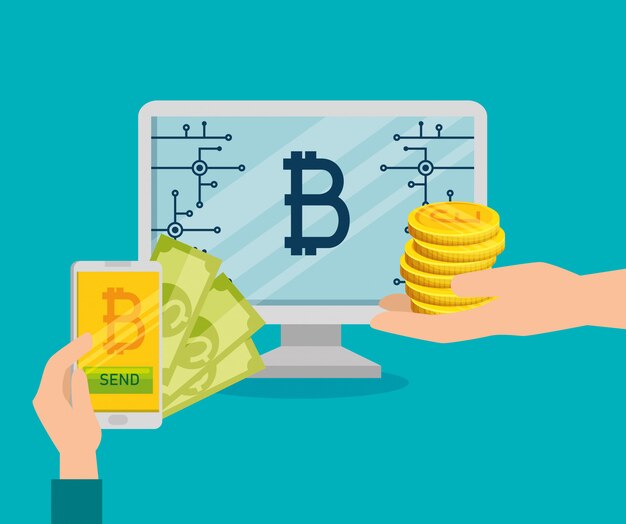
They have made Bitcoin one of several payment options, alongside regular currencies and mobile money. You can buy, sell, send, or receive Bitcoin right in the app.
Behind the scenes, Chipper Cash sometimes uses Bitcoin to settle cross-border transfers. Say you are sending money from Ghana to Kenya. Chipper Cash turns your cedis into Bitcoin, zips the Bitcoin over in seconds, and then switches it back into shillings on the other end.
You do not need to know anything about Bitcoin to use this. As a user, it just feels like sending dollars or local money. Bitcoin is just the plumbing.
If you actually want to hold Bitcoin, the app doubles as a crypto wallet. You can store it, send it to other Chipper Cash users, or move it to an external wallet if you want. They have made Bitcoin accessible for people who care more about moving money fast than about being crypto experts.
Speed Is Everything for Remittances
Speed is everything when you are sending remittances. If someone is trying to pay a hospital bill or school fees back home, they cannot wait three days for a transfer.
Bitcoin settles almost instantly. Transactions confirm in minutes, not days. That’s a huge step up from banks.
Chipper Cash built the tech to swap Bitcoin for local currency quickly, so when you send money, it shows up fast in the recipient’s account. They can cash out to mobile money or a bank account right away.
Instant crypto payouts change the game. Old-school remittance companies used to make money by holding your funds for days and earning interest on them. With instant settlement, that’s gone, but users get their money much faster.
Peer-to-Peer Payments and Mobile Money
Chipper Cash works as a peer-to-peer platform. That means people send money straight to each other, not through a big bank. Fewer middlemen, fewer fees.
Mobile money is a big deal here. Most Chipper Cash users hook up their mobile money accounts to send and receive funds. It works because mobile money is already everywhere in Africa.
You can use Chipper Cash to send money to friends, pay bills, or buy things from businesses that accept it. It handles person-to-person transfers, bill payments, and merchant transactions.
Peer-to-peer apps like Chipper Cash go up against giants like M-Pesa, but they stand out by making cross-border transfers easier and keeping fees low.
Sending Bitcoin From Cash App to Chipper Cash
People in the US often wonder if they can send Bitcoin from Cash App to Chipper Cash, especially for sending money back home to Africa. You can do this, but you need to understand the basics of how Bitcoin works.
Cash App lets you withdraw Bitcoin to any external wallet. Just open your Chipper Cash app, generate a Bitcoin address there, and send your Bitcoin from Cash App to that address. After the transfer goes through on the blockchain, the Bitcoin lands in your Chipper Cash wallet. This method has become a big deal for remittances between the US and Africa. Someone working in the States buys Bitcoin on Cash App, sends it over to Chipper Cash, then converts it to local currency for family back home.
You avoid typical high remittance fees. Cash App charges a small fee, and Chipper Cash adds another during conversion, but the total is usually far less than Western Union or traditional bank transfers.
There is a catch, though. Bitcoin’s price jumps around. If the value drops while the money is in transit, the recipient could get less than expected. This works best for quick transfers, send, convert, done.
Why Crypto Matters for African Remittances
Remittances are a lifeline for millions in Africa. Every year, people working abroad send over $50 billion back to sub-Saharan Africa, according to the World Bank. But traditional remittance services often take around 8% in fees.
Crypto offers a cheaper route. Bitcoin’s network fees are usually lower than those of banks or remittance companies. Even with conversion costs, users often come out ahead.
Speed is another win. Banks take days. Bitcoin transfers often clear in under an hour. Still, it is not perfect. Not everyone understands crypto, prices swing, and regulations differ by country. But for people who want fast and affordable transfers, crypto opens new doors.
Bridging Mobile Money and Crypto
What really sets Chipper Cash apart is how it connects mobile money with crypto. In Africa, just about everyone knows how to use mobile money, but crypto is still new territory for most. Chipper Cash bridges the gap. You can load your Chipper Cash wallet straight from your mobile money account, send funds, and your recipient can cash out to their own mobile money wallet. Bitcoin just moves in the background,you don’t have to mess with crypto exchanges or worry about wallet security outside of the Chipper Cash app. The platform takes care of the hard stuff.
Africa’s mobile money networks,think M-Pesa, MTN Mobile Money, and the rest,already reach hundreds of millions of people. By connecting these networks with crypto, Chipper Cash brings digital currency to a much bigger audience than traditional crypto exchanges ever could.
A Built-In Backup for Payment Networks
There’s another upside too: redundancy. If a mobile money network goes down or faces restrictions, crypto is a backup. If Bitcoin’s price is too jumpy, you can stick to regular currency transfers.
Bitcoin Beyond Speculation
Chipper Cash shows that people actually use Bitcoin for more than just speculation. Folks send Bitcoin to pay bills, support relatives, and handle business,not just to gamble on price swings. This kind of real-world use is important for crypto’s future. Critics often say Bitcoin is all hype and no substance, but apps like Chipper Cash prove it can solve everyday problems.
Focused on Utility, Not Hype
This is not about getting rich off Bitcoin’s price. It is about sending money faster and cheaper. For now, traditional payment methods still rule, but crypto use is growing. As more people see how quick and affordable these transfers can be, some start switching over.
What This Means for Crypto’s Future
The way people use Bitcoin for payments will shape whether crypto becomes a part of mainstream finance or stays on the fringes. Chipper Cash is one example of how crypto might go mainstream.
Security, Fraud, and User Protection
Fraud is always lurking. Payment platforms attract scammers, so Chipper Cash puts a lot of effort into identity checks and transaction monitoring. The trick is to catch bad actors without making the signup process so tough that real users give up.
Navigating Africa’s Crypto Regulations
Crypto regulation on Fintech in Africa is all over the map. Some countries embrace it, hoping for innovation. Others ban or restrict it, which makes things tricky for companies like Chipper Cash.
Nigeria banned crypto transactions through banks for a while in 2021, then changed its mind and introduced new rules. Kenya has been more relaxed, and South Africa is still working on its own set of regulations. Chipper Cash has to juggle all these different rules at once, getting licenses and regulatory approval in every country it operates in. That gets expensive, fast.
Regulatory uncertainty shapes strategy. If the rules might change overnight, big investments feel risky. Some places have no clear crypto laws at all, so companies can’t even tell if they are technically following the rules. Still, things are slowly improving. More governments are realizing crypto’s here to stay, and they are starting to put proper frameworks in place to encourage innovation while protecting people.
The Competitive Landscape
Competition is fierce. Chipper Cash goes up against other peer-to-peer apps, mobile money giants, and crypto exchanges. Direct rivals,Sendwave, WorldRemit, Wave, mainly focus on remittances and stick to old-school payment rails, not crypto. Mobile money giants like M-Pesa have a huge presence, but they don’t offer easy cross-border payments or crypto features. That is where Chipper Cash stands out: it brings together things the established players just don’t.
Then you have got crypto exchanges like Luno and Binance. They are in Africa, but they stick to buying and selling crypto,they don’t really help people use crypto for everyday payments. Chipper Cash is different because it connects crypto with mobile money, making it more practical for real transactions. The payment space is crowded and always changing. Chipper Cash’s edge is its mix of peer-to-peer payments, crypto, and mobile money,all on one platform
But there are still big hurdles. Bitcoin’s wild price swings are a headache. If you hold Bitcoin in your Chipper Cash wallet, your balance can jump or drop in local currency terms overnight. That kind of uncertainty makes people nervous.
Liquidity is another issue. If Chipper Cash does not have enough local currency in a given market, it can’t always process conversions right away. Sometimes, it just comes down to having enough cash on hand.
Expanding Crypto Through Mobile Money
Africa’s mobile money networks already reach hundreds of millions. By connecting them with crypto, Chipper Cash brings digital currency to a much wider audience. There is also redundancy. If a mobile money network goes down, crypto can act as a backup. If Bitcoin’s price feels too volatile, users can stick to regular currency.
Scale, Operations, and Regulation
Chipper Cash handles millions of transactions every month across countries like Nigeria, Ghana, Kenya, Uganda, South Africa, Tanzania, plus the US and UK. That requires serious infrastructure, liquidity management, fraud prevention, and regulatory compliance. Every country has its own rules. Some embrace crypto. Others restrict it.
Nigeria banned bank-linked crypto transactions in 2021, then introduced new rules. Kenya has been more relaxed. South Africa is still working on its framework. Chipper Cash has to juggle all of this at once. Regulatory uncertainty slows things down, but governments are slowly creating clearer frameworks.
Competition and the Road Ahead
Chipper Cash competes with remittance services, mobile money giants, and crypto exchanges. Each does part of the job, but none combine peer-to-peer payments, mobile money, and crypto the way Chipper Cash does. There are still hurdles. Bitcoin volatility. Liquidity constraints. Smartphone access. Trust. Profitability. But there is room to grow: small business payments, stablecoins, new markets, and expanded financial services.
Wrapping up, chipper cash shows how Bitcoin can solve real problems with cross-border payments in Africa. By blending crypto with mobile money, they make instant transfers possible without forcing users to understand blockchain.
This is not about hype or getting rich. It’s about speed, cost, and practicality. Watching how Chipper Cash uses Bitcoin gives a clearer picture of where crypto actually fits in Africa’s digital payments scene. When crypto works quietly in the background and fixes real pain points, people adopt it. That is the difference.