
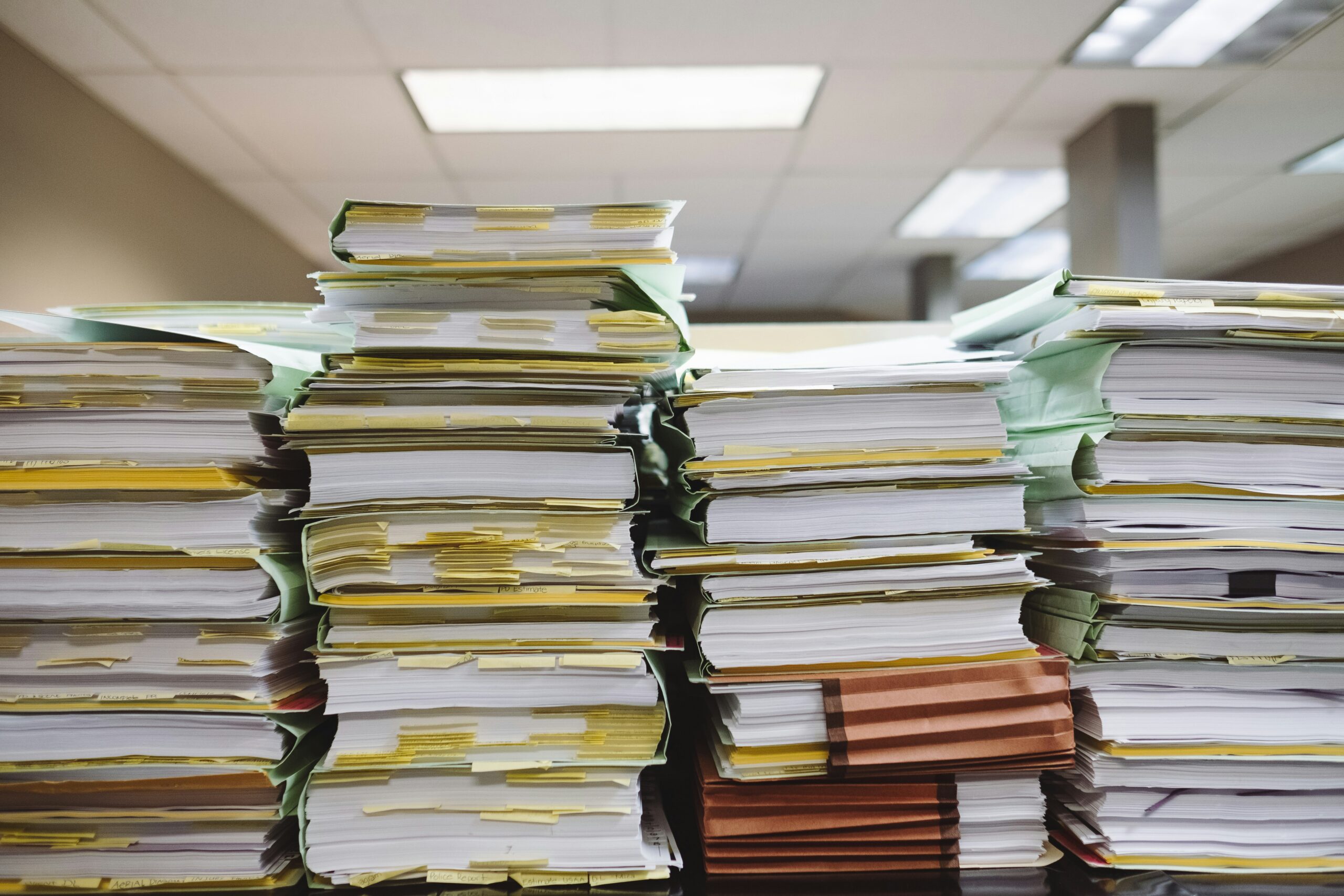
Paper is so commonplace that people are never interested in knowing where it comes from. People simply discard paper that arrives as a delivery package, book, receipts, or boxes after use.
The trees have quietly paid the price for that convenience. Creapaper exists because Uwe D’Agnone was concerned enough to ask a simple question. What if people did not have to make paper from trees? The company is well-known for producing paper from grass, and one of its initiatives is to replace a large portion of traditional wood pulp with grass fibers.
Manufacturing paper is tedious. It consumes a lot of energy, wood, and water. Many people might not know about this. And making paper this way can lead to deforestation and habitat destruction as well. This process accounts for 13-15% of total wood consumption and between 33-40% of all industrial wood traded (World Wildlife).
Uwe D’Agnone came up with an alternative. This intiative will help protect forests and their resources. This led to the birth of his company, Creapaper. A company that uses grass to make paper and cardboard. A few years ago, some people predicted that the use of paper would eventually decline. E-books and tablets were becoming the new trends, and catchphrases like “digital office” were all over the place. And as they predicted, fewer papers were being used to print books and newspapers. Everything was going digital.
But despite the new trend, per capita consumption increased each year. This is primarily because millions of products purchased online require packaging and shipping to the customers, which necessitates the use of paper. Projections shows that around 67 million packages shipped from the United States daily. That amount of paper is massive, and demand is not going to slow down anytime soon.
While e-commerce businesses keep raking in profits, and deservedly so, it is important to note that trees take years to grow. For paper to be produced, land, water, energy, chemicals, and long transport routes have to be readily accessible. This process works, but it is slow, difficult, and consumes resources. To top it off, deforestation can lead to fatal environmental impacts like soil erosion and flooding.
Creapaper started because of this imbalance to produce an alternative paper material. The idea wasn’t to raise pitchforks and placards calling for the end of paper use, it wanted to change what paper was made from.
It looks like regular paper, feels like regular paper, and behaves like regular paper. In today’s world, where trees are used to make paper and packaging, Creapaper devised a more environmentally conscious solution. What began as an idea has evolved into a rapidly expanding, high-quality paper used by major brands and businesses worldwide, shifting perspectives on raw materials, costs, and sustainability.
Uwe D’Agnone began with grass and hay, which could regenerate quickly and be found anywhere as raw material for fiber. After years of experimentation, Creapaper developed a new method for converting dried grass into pulp that meets the standards of paper production equipment using a patented mechanical process. In Germany, manufacturers use grass fibers for roughly half of the total fiber content in industrial paper products, blending them with wood pulp or recycled paper.
The process of making grass paper begins with grass harvested from clean, non-feed agricultural sources. Instead of the traditional chemical-intensive wood pulping process, which requires a lot of water and energy to make paper, grass paper requires very little water and fewer chemicals. Research shows that grass requires only 2-10 liters of water per ton compared to thousands of liters for wood pulp, and generates significantly less CO₂ emissions.
After drying, workers mechanically process the grass into pulp, and blend it with conventional pulp in a paper mill. The result is paper that functions similarly to other papers but has a distinct sustainable profile and a natural appearance. Grass paper is, however, not suitable for every kind of use. Some kinds of paper need certain specific fiber characteristics that grass does not have.
Creapaper’s vision proved to be attractive enough for early investors who bought into the project. In 2019, it achieved major success by closing a Series B financing round with backing from eCAPITAL alongside other investors. This sped up the development and growth of grass paper in retail and packaging markets.
More recently, Creapaper was able to expand its network, securing eCAPITAL growth financing as part of its strategy to meet new demands for green paper. This capital proved to be a game changer, propelling the company from a grass pulp company to a major supplier of grass paper products. Strategic investment in Creapaper from a major player likeRanpak, a global sustainable packaging solutions provider, helped expand its market reach beyond Europe into global supply chains.
Image: Unsplash
Creapaper’s journey from the inception of the idea to use grass to make paper to paper in consumers’ hands demonstrates more than just D’Agnone’s genius. It shows that industrial traditions can be flexible and they can evolve as well when environmental factors around them become limiting. Evolution also happens when innovation meets market demand. Not just brands and companies looking to become partners, but also consumers looking forward to the products.
Although it is difficult to determine the exact number of people using grass paper packaging, its adoption by large retailers and traditional paper supply chains shows that it is well received across continents. From Europe to the targeted U.S. market. This serves as a reminder that when sustainability is backed by economics and technology, it can reshape even the largest industries.
One benefit of grass paper packaging is that it doesn’t require behavioral changes. It fits easily into existing recycling systems. Since it uses and disposes similarly to paper, no new waste category is needed. Often, sustainable materials fail because they need new systems. Creapaper’s solution bypasses this challenge by staying within the framework of what is already working. So, sustainability is seen as a substitution rather than a disruption.
Environmental gains are essential to the Creapaper story. Compared to conventional wood paper, grass paper products reduce CO₂ emissions by as much as 95% and remove the need for chemicals during pulp production. This makes grass paper packaging not only a viable paper-sourcing option but also part of a larger problem-solving strategy for issues associated with paper production, like deforestation, high water use, and heavy chemical processing.
No matter how little, as it accumulates over time, it can reduce pressure on forestry and on resource cycles. And the logistics issue is eliminated because grass can be found anywhere in the world.
Moving forward, the future of paper may look towards other sources in a bid to preserve our forests. And these sources will be diversified: recycled fibers, alternative plants, and smarter sourcing decisions. Manufacturing is slowly moving away from extraction-heavy models toward renewable, faster-cycle inputs.
Wrapping up, grass paper quietly and efficiently replaced part of the conventional paper-producing system through hard work. Innovation doesn’t necessarily have to be dramatic or loud. It can be odd or something familiar, like paper that happens to start in a field of grass instead of a forest.