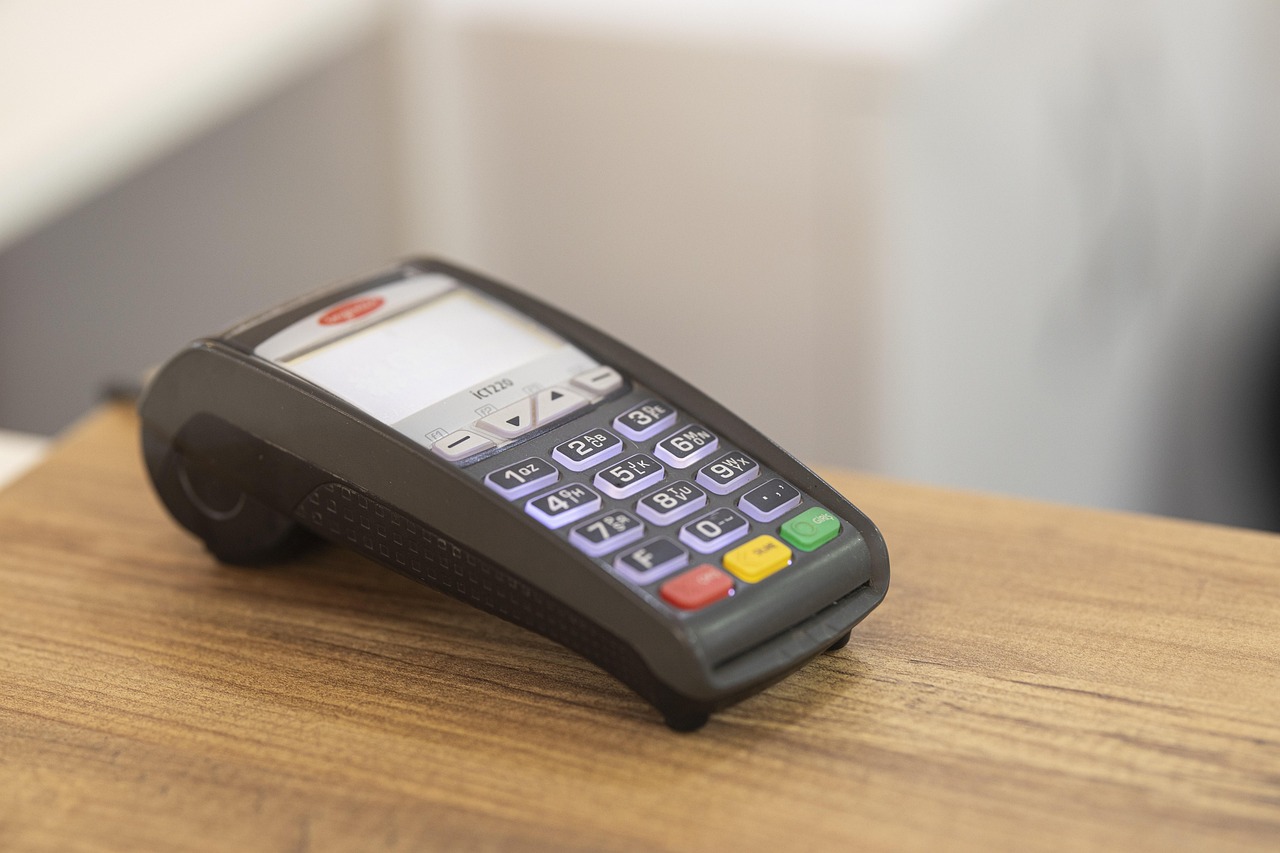
POS machines are now part of everyday commerce in Nigeria. From the kiosks on the sides of the streets to the supermarkets in your neighbourhood. Wherever you look, there’s at least one POS kiosk in that area, urban or rural.
What started as a tool for Nigerian banks in the early 2000s has become street infrastructure, closing the gap between informal trade and formal systems. The spread of POS businesses in Nigeria came after the rise of digital payments, distrust of cash, and the need for a convenient way to make payments easier. POS technology stepped in as queues in banks grew and access to cash became difficult.
Origin of POS in Nigeria
The rise of Point of Sale (POS) machines in Nigeria started in the early 2000s. And slowly, it evolved from a slow, elite-only experiment into a dominant financial pillar by the 2020s. Led by a former governor, Sanusi Lamido Sanusi, the Central Bank of Nigeria (CBN) reforms in 2012/2013, fintech, and the cash crises in 2023, POS gradually moved from simply being a retail payment option to a widespread agency banking network. processing millions of naira hourly, aided by several million active terminals as of March 2025.
Why POS Machines Took Root in Nigeria
Nigeria’s economy has always been driven by its dependence on heavy cash flow. Every day, millions of transactions happen outside of formal environments. Markets, bus parks, street vendors, and small kiosks all do business with cash, and they’re all integral parts of commerce in Nigeria.
The simple truth is, banks weren’t built to handle this amount of daily transactions. In other words, banks cannot handle the number of financial transactions carried out each day. It would be a task for them and could result in loss of money and lack of accountability. There isn’t just enough manpower and resources for banks to be able to keep up with the financial transactions in Nigeria. ATMs can’t always be trusted, and cash shortages will likely become more frequent.
That is why POS machines in Nigeria came to fill these gaps and ease the burden on traditional banks. Their method of operation is simple: withdraw, transfer, or pay without having to enter a bank. POS agents are Super Agents who swoop in and save the day. There have been several instances where people have been stranded in different places because the ATMs in that area were out of service or simply did not have cash in them.
Key Drivers of Growth
- Fintech Adoption: Companies like Moniepoint, OPay, and PalmPay designed easy-to-use technology that made transactions trustworthy.
- Agent Banking: The option of third-party agents in rural areas allowed fast penetration into this untapped market and its adoption. It gave rise to mobile payment education for users in remote areas.
- Adaptation to Crisis: Traditional banking failures during cash shortages forced a switch to a faster, nationwide adoption of digital solutions led by agents.
By August 2025, POS terminals had significantly overtaken ATM transactions in volume and value, becoming the primary payment method for Nigerians.
POS Machines in Nigeria and Street-Level Commerce
Why does street-level commerce thrive in Nigeria? The answer is simply because of speed and trust. POS operators have now become trusted faces running POS stands in different corners of the streets and the marketplace. People have no issues in carrying out transactions with them because of how familiar they’ve become over time.
The growth of POS machines has made financial transactions in Nigeria easier for the common man. Small traders have also benefited from this. These operators have taken the place of ATMs, making cashless payments in Nigeria even more popular. Most kiosks have signage showing “POS is Available” to show that POS services are very much available in their shops.
Key Historical Phases of POS in Nigeria
- Early 2000s (Introduction): It was formally introduced to help reduce the reliance on cash. But its early adoption was low due to infrastructure issues and its restrictions to only large retail outlets, hotels, and supermarkets in major cities.
- 2012–2013 (Change in Policy): The CBN came up with a plan to introduce official guidelines for agent banking and POS transactions in a bid to boost financial inclusion and lead Nigeria to a cashless economy.
- 2015–2019 (Fintech Growth): Everything blew up when fintech companies like Paga, Interswitch, and OPay came into the market with cheaper, more reliable terminals, increasing transaction volume from 34 million in 2015 to 438.6 million in 2019.
- 2020–2023 (The Boom/Cash Crunch): The COVID-19 lockdown and the Naira scarcity crisis that happened in 2013 all but sealed POS machines’ position as mobile banks. Their agents became the first choice source for cash withdrawals and transfers, moving from being just a convenient option to a necessity.
- 2024–2026 (Modernization and Regulation): By 2025, active terminals grew by over 100% year-on-year. The traditional method of payment is now leaning towards specialized, faster mobile-based devices that are able to combine payments, inventory, and services. In October 2025, the CBN mandated that agents operate with a single, exclusive principal institution by April 2026.
How POS Machines Drive Financial Inclusion
POS machines keep lowering the barrier to financial participation. These days, you don’t need to go to a nearby bank branch to have access to your money or make payments. You also don’t need to sign several documents or have a discussion with bank officials on complex banking issues. The only thing you need is a card or an active phone number.
POS machines offer easy access compared to traditional banks. However, due to their consistency in being effective, POS agents are now many people’s first point of contact when conducting financial transactions. POS machines have brought financial convenience to people’s doorsteps, particularly in semi-urban and remote areas where access to traditional banks is limited.
The Role of Fintech Companies
Fintech companies accelerated POS adoption by building agent networks around them. Financial inclusion didn’t arrive through apps alone. Its adoption also happened through mobile devices owned by people in a particular community.
Platforms like Moniepoint, OPay, and PalmPay turned POS machines into money-generating tools and business opportunities. People could easily become agents after going through an easy setup and could earn commissions per transaction.
“We want to be the power that helps emerging markets reach a faster economic development”—Yahui Zhou, Chinese billionaire founder of OPay and chairman of Opera Software.
Given that it expanded more quickly than the conventional banking system, this model has proven to be a brilliant idea. POS machines are now viewed as endpoints for more complex digital systems that handle compliance, settlements, and transfers in the background.
How the use of POS Machines has impacted Small Business
For small businesses, POS machines changed how money flows. POS machines have contributed significantly to reducing people’s dependence on cash for transactions; they made daily sales easier to take into account, and in addition, they improved transaction speed even during peak hours.
Small-scale business owners started to see POS machines as a necessary tool to own, and customers welcomed the idea because of the restrictions they freed them from. As time passed, POS machines became part of the daily business routines, starting from paying for goods to receiving payment for goods from customers. This has helped small businesses to have predictable and stable operations, even in volatile economic conditions.
Trust, Reliability, and Everyday Use
Adoption didn’t just happen because POS machines proved to be an innovative tool. Adoption happened because it worked, and above all, it was reliable and trustworthy. Queues at banks became thinner. People started looking for the nearest POS kiosks to make transactions.
Repetition builds trust. When transactions are carried out, and they work, people continue to use them consistently. When its operators handled failed transactions effectively and transparently, loyalty grew. These outcomes succeeded because they were dependable in unfamiliar environments. And as this trust grew, POS operators gained real influence over daily commerce.
POS Machines and its Economic Impact Beyond Banking
Nigeria’s informal economy is vast and resilient. POS machines connected to this economy slowly and steadily, acting as bridges, not replacements. Transactions that were carried out with cash only now had digital traces. Payments were now moving through formal channels even for informal businesses.
This shift matters a lot, as it creates data to fall back on, improves visibility, and also leaves the door open to future services like credit and insurance.
To date, banks still play a significant role, but they no longer control access points exclusively. POS machines have extended their financial reach without needing to create more physical branches. This distribution of banking duties will have implications for regulation, taxation, and monetary policy in the long term.
The Future of POS Machines in Nigeria
POS machines are no longer temporary solutions that fix banking problems. They have now evolved into platforms that support the operations of traditional banking systems. Its growth in the future will depend on reliability, security, and integration with other digital services. And as long as Nigeria’s economy remains highly decentralized, cashless payments and mobile payments through the use of POS will remain central for a lot of people.
In summary, POS machines changed how money circulates outside banks. They redistributed transaction volume from centralized institutions to decentralized agents, and this greatly contributed to changing cash flow patterns and consumer behavior.