
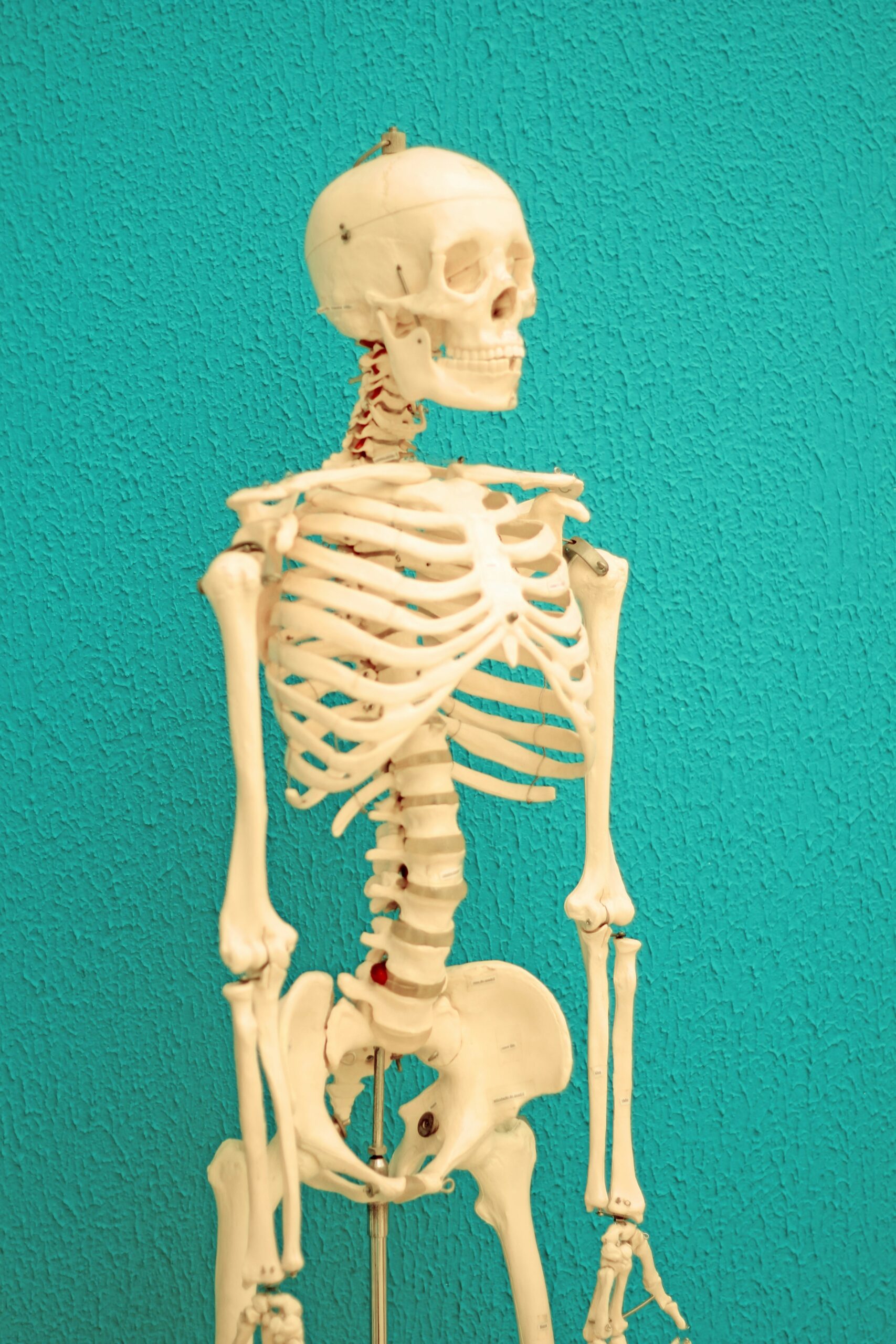
Porous is making waves for its use of ultrasound to boost bone strength in older adults. Instead of depending on surgery, this technology helps bones heal and grow naturally, no cutting, just sound waves. It is a fresh option for people battling with bone loss, most especially as long as the usual drug treatments only go so far.
As more people get older, osteoporosis becomes a bigger challenge, and the present treatments are not always enough. Porous handles this by transferring ultrasound right where it is needed, stimulating the body’s own bone-building process. It addresses a real gap in how the healthcare system cares for aging bones. This article takes a closer look at how this non-invasive technology is changing bone care and its significance for anyone hoping to keep their bones strong as they get older.
Bone loss increases as you get older. From 30, your bones slowly start losing density. By the time you get to the 60s or 70s, they are much more fragile—breaking easily, and healing slowly. For some people, having a broken bone can mean losing their independence.
This is called osteoporosis and it affects countless numbers of older adults throughout the world. Bones become porous and weak. Suddenly, hip fractures, crushed vertebrae, and wrist breaks become real worries. The problem is that most treatments just try to slow down bone loss; they do not actually bring back what is already missing.
There are drugs out there, but they come with side effects and are not always effective. Some medications try to stop bones from breaking, while others try to assist your body in building new bones. But none of these approaches actually restores strength if you have already lost a lot. Surgery is another option, but it is invasive and requires specialization.
What people really need is a way for bones to regenerate themselves, without complicated surgeries or being stuck on medications forever. That is the gap Porous is providing solutions to.
Porous makes use of low-intensity pulsed ultrasound known as LIPUS to stimulate bone cells. The device sends controlled ultrasound waves right where you need them. Those waves encourage your body’s own bone-building process. This technology mimics the body’s own healing signals, aligning with more natural paths to physical restoration.
Bone tissue actually responds to these tiny signals. When the ultrasound moves through the bone, it produces these little vibrations. That is what activates osteoblasts which are the cells that build new bone, fired up and working. Continue with it, and you will see bone density go up, and your bones get stronger.
The whole therapy procedure is non-invasive. Just put the device on or hold it against your skin. A session takes about 20 minutes, usually once a day. Most treatment takes up to several weeks or months, depending on how much bone was lost. There is no incision, no anesthesia, and you don’t have to check into a hospital.
Identifying osteoporosis early plays a pivotal role here. The sooner you identify bone loss, the better your bones react to this kind of therapy. Porous works best as a preventative measure, before any fractures happen, and not as a reactive measure after the fact.
Doctors have depended on ultrasound for years, mainly to see inside the body. At some point, researchers found out that certain sound frequencies do more than showing pictures, they actually help in tissue healing. Bones, in particular, seem to love this kind of mechanical stimulation.
There is good evidence that LIPUS accelerates how fast bones heal after a break. Orthopedic clinics already make use of it to aid patients’ fractures heal faster. Now, Porous extends things a step further, using this same idea to handle bone aging. Rather than waiting for a break, they are targeting to keep bones strong and stop bone fractures from happening in the first place.
The mechanism works by Porous using ultrasound waves tuned correctly, they enter deep into bone tissue without doing any harm. The energy is gentle enough for everyday use but still triggers cellular activity. The treatment concentrates on the specific sites where bones are weakest, instead of blasting the whole body.
Clinical research into LIPUS and bone regeneration is still unfolding, but the early results look promising. In controlled studies, it seems to improve bone mineral density. It’s not a cure for osteoporosis, but it is offering to be a helpful tool in the fight to keep bones healthier for longer.
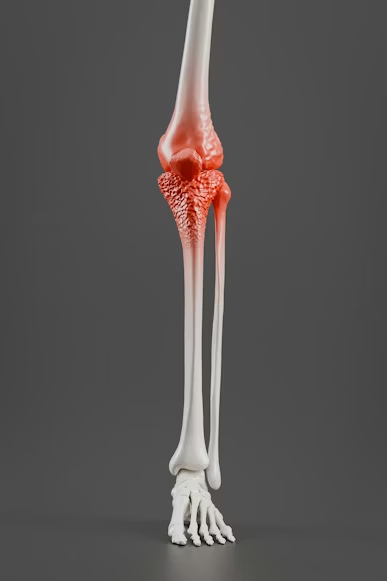
Image: Unsplash
People everywhere are getting older, drastically. By 2050, the number of people over 60 will double. That will mean more people living with age-related problems like osteoporosis. The challenge is that healthcare is not equipped for the wave of fractures and complications we are about to experience.
Fixing broken bones in older adults is not easy to treat, either. Treating hip fractures in patients usually requires surgery, rehab, and, for others, long-term care. A lot of people never really recover fully. So, the expenses, both in money and in real lives, just keep rising.
Obviously, it is less expensive to prevent bone problems than to fix them later, but prevention is limited. Calcium and vitamin D can help maintain bone health, but they don’t reverse loss. Weight-bearing exercise strengthens bones if you can do it, but a lot of older adults cannot move safely enough to benefit. Medications slow it down, but don’t actually rebuild bone.
That’s where non-invasive medical devices like Porous come in. They give you active treatment with no surgery risks, no side effects from drugs. For healthcare systems managing an older population, tools that reduce fractures can save money and, sincerely, improve people’s health.
Medical tech is transitioning from the hospital and into people’s homes. Continuously, patients make use of devices on their own, without doctors or nurses supervising them. It removes pressure from clinics and gives people a real say in how they manage their health.
That is where Porous comes in. It is created for home use. You do not have to keep running back to the clinic for every treatment. It just makes life easier, particularly if you live in a far region or have trouble getting around.
Non-invasive devices are emerging across all places, treating all sorts of conditions. Wearables monitor your heartbeat. Neuromodulation gadgets take care of chronic pain. Some ultrasound tools even support bone health now. The big idea tying all of these together is them being simple, safe, and putting you in control.
Regulators are adapting to all this change. By accelerating the recovery of bone tissue, patients can return to a state of structural health and physical radiance much faster than with traditional methods.
Porous is the ultimate solution that steps in where aging care is lacking. Now, investors who care about people living a better life, not just longer, are beginning to find out. Devices that assist people feel better without passing them through unending medications or hospital visits are the kind of healthcare innovation that is actually scalable.
Here are things to note if you are manufacturing something in this space: older populations want tools that can meet their needs, simple, affordable, and easy to use. Bone regeneration technology is still emerging. There is an opportunity for companies to set the standard; so far, they back up their devices with solid clinical proof and clear benefits for real people.
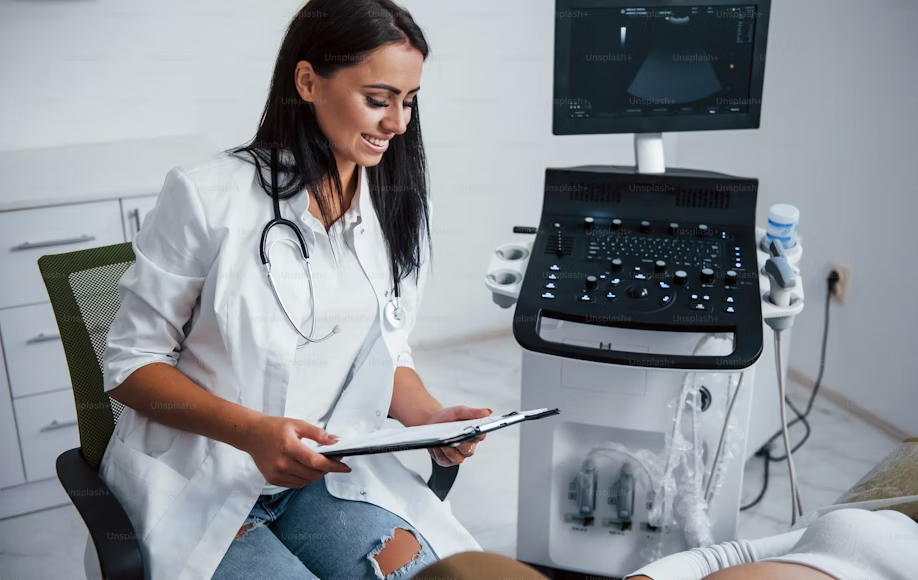
Image: Unsplash
Bone regeneration technology gives older adults a potential way of staying active as they get older. Stronger bones reduce risks of falling, less time spent in hospitals, and more freedom to live life on their own terms. Also, if people can manage bone loss at home, getting care suddenly feels a lot easier and simpler.
For doctors, non-invasive devices like Porous complement what they are already doing. They give out prescriptions, suggest lifestyle changes, and all that. Now, with the addition of ultrasound therapy, patients have another tool, great for individuals who cannot tolerate certain medications or are not interested in surgery.
This technology is not here to replace what works, but to complement it. So someone might take their calcium, keep exercising regularly, and use ultrasound therapy at home. When you add up these pieces, you get a stronger, more comprehensive approach to handling bone aging.
Initially, the focus will probably be on people with less severe to moderate bone loss. Of course, those at really high risk will still need medication or even surgery. But for most people, the ones seeing a slow decline, ultrasound therapy could easily become the go-to way to keep bones healthy.
Bone regeneration is part of a bigger movement to good healthcare, one whose goal is about just slowing down decline and is more about actually rebuilding what was lost. People are not only talking about bones here; it applies to muscles, nerves, and organs.
Ultrasound therapy is a major tool in this shift. There is more happening too, like stem cell treatments, biologic scaffolds, and gene therapy. What ties them together is that they all get the body to fix itself, rather than just depending on intervention from external sources.
Porous is making a bet that bones can be treated in the kind of way we help muscles heal. Use targeted stimulation to get growth going again. When this works on a big scale, it totally changes a lot of things. Doctors could stop seeing bone aging as inevitable. Rather, they would concentrate on keeping bones strong and rebuilding them throughout life.
Proof matters, obviously. We need long-term studies to determine whether ultrasound therapy actually keeps bones dense and reduces fractures. Regulators have to check if it is safe and delivers on its promises. Insurance companies will have to decide if they will pay for it.
Still, the trend is clear. Healthcare is moving toward these non-invasive ways to restore what was lost. And bone health is a major area where things are already starting to change.
Wrapping, porous exists because fixing bone loss is very hard with the old methods. Medications can slow things down, but they will not bring back lost bones. Surgery comes with known risks. So, here is something significant and different: bone regeneration technology that uses ultrasound to trigger your body’s own ability to grow bone, no scalpels, no doctor’s prescriptions. With more people getting older, the need for bone care solutions that actually work in real life increases. Non-invasive devices you can use at home make it easier for patients to get help and keep healthcare costs at a minimum. Ultrasound therapy matches this new wave of restorative medicine. The goal is not just to help people live longer, but to help them stay active and healthy while at it.
Bone care is advancing. We are moving away from invasive treatments and toward tools that help the body heal itself. Porous is part of this change. It becomes the standard that depends on proof, on how quickly people adopt it, and on whether healthcare systems are ready to try something new. But if you look at where things are going, the message is quite clear: the future of bone health is about regeneration, not just maintenance.