
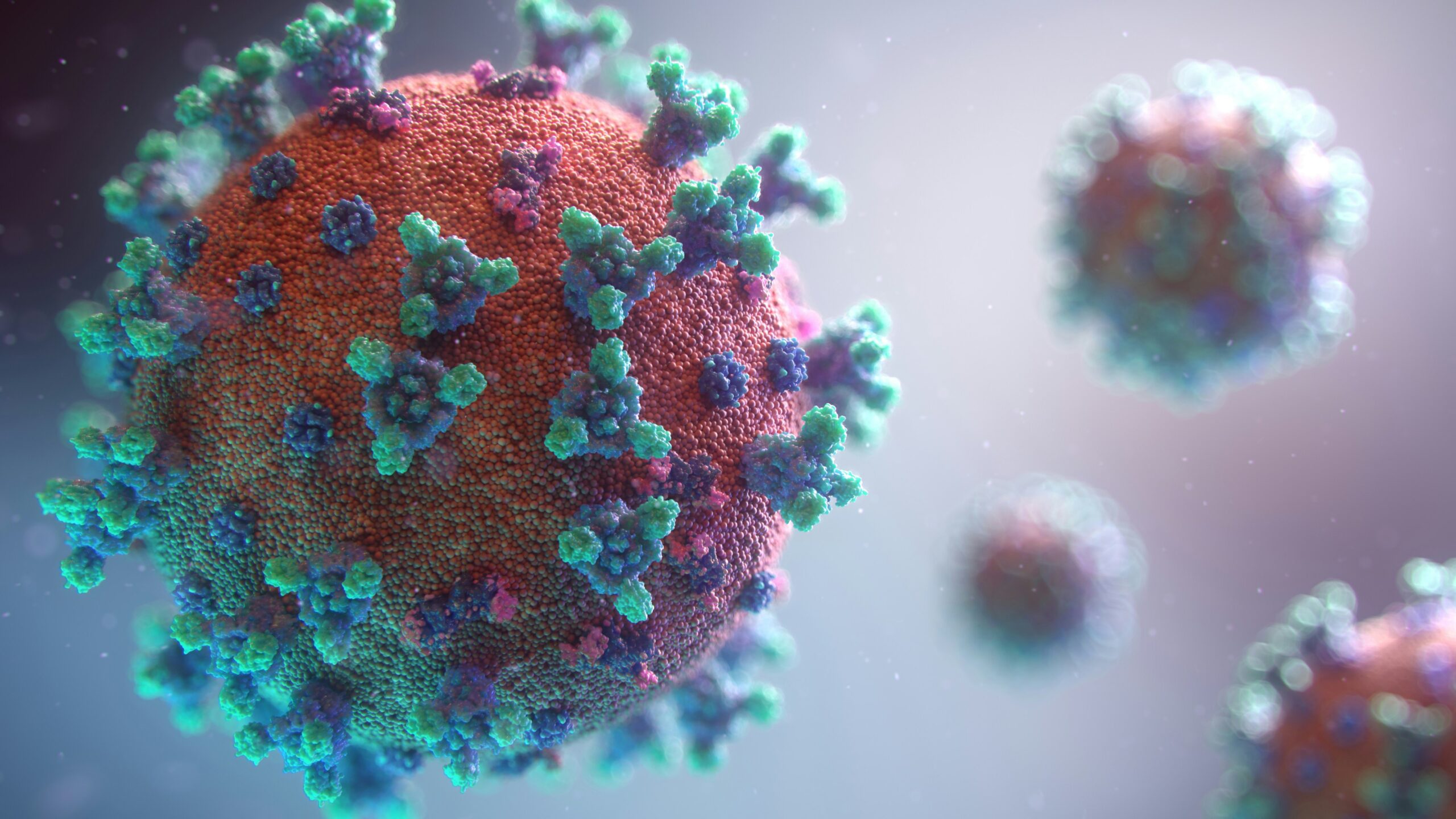
In a world where diseases can travel across continents in hours, early detection is everything. That’s what Vira is doing in our time. This AI pandemic early warning system is making all the difference with its ability to spot the first whispers of a potential outbreak, before it snowballs into a full-blown crisis.
The recent global outbreaks, from Ebola to COVID-19, have exposed just how slow traditional detection systems can be and how dangerous that delay can be. Vira taps into the wealth of available data, tracking unusual disease patterns across the globe before anyone else. In doing so, it’s reshaping how we think about public health surveillance, moving us from reactive response to proactive prevention.
Vira is a health intelligence platform. It functions as an AI pandemic early warning system designed to detect early outbreak signals.
Before now, traditional outbreak detection and reporting was done using data from hospitals and labs on already existing cases. Even this method was time consuming. Cases had to be recorded first, verified, and shared. The traditional system of detection was plagued with delays.
On the other hand, Vira uses epidemic monitoring software powered by artificial intelligence. It studies patterns across a large amount of health-related data in real time. The system looks for unusual patterns, for instance a hike in similar symptoms in a particular region.
Vira’s design does not work to replace doctors or laboratories. Rather, it is designed to lend support to them. It helps by detecting early signals so that health professionals can investigate and catch outbreaks faster before it becomes widespread. This positions Vira within the growing field of public health technology. It shows how data science is helping improve disease prevention and strengthen global health security.
Pandemics do not break out globally, they begin locally. In today’s connected world where movement has become easier, more common and widespread, small outbreaks can spread like wildfire across different countries and regions.
One major problem with traditional detection is speed. With the way the system works, before health authorities can detect and confirm a new outbreak, the disease may have already been widely spread. The system is designed to be reactive and this makes it slow compared to the rate at which diseases can spread.
Another challenge that exists in traditional disease detection is lack of a central or unified data system. Health data is stored in different places and systems. Some hospitals make use of one system and labs use another. Also, a lot of countries do not even have strong reporting tools at all. An AI pandemic early warning system addresses these challenges. It connects data from different sources. It scans for unusual patterns and flags potential risks early.
To investors and founders, this is a systems problem. Public health experts, it is a timing problem. To governments, it is a global health security issue. Vira aims to reduce detection time because early detection makes for faster and more effective response.
Pandemic prediction software works in three simple steps:
Vira’s epidemic monitoring software gathers different kinds of data. The software collects both organized (structured) like hospital records and unorganized (unstructured) data like open health reports, social media posts,and online platforms. Artificial intelligence then analyzes that information. The software looks for signals like:
When these patterns differ from the normal trend, the system flags them. This process will help in predicting the next pandemic because early warning signs can now be detected before official case numbers spread.
An AI pandemic early warning system does not say exactly when an outbreak will happen. It simply identifies risk probability and points out where further investigation may be needed. This distinction is important. It is about early detection, not prediction.
Modern public health technology functions best with the availability of different kinds of data. Vira does not rely on only one type of data, rather it collects data from different sources. Some of these sources include:
Vira’s system compares what is happening now with what usually happens in the past. It tries to find changes that appear abnormal. The main advantage of Artificial intelligence is scale. Humans cannot manually track thousands of data sources daily. But epidemic monitoring software can do this quickly.
By connecting all this data together, Vira is instrumental in building stronger global health security. It gives health officials a clearer view of what is happening across different regions.
In disease control, timing is critical. Early detection means:
Late detection of outbreaks has very damaging consequences.For instance, Hospitals will become crowded; the cost of containment will be higher; economic activities and travel may be disrupted. An AI pandemic early warning system shortens the gap between emergence and response. For healthcare leaders, this means better preparedness. The policymakers, it means improved planning. For investors, it indicates a move toward preventive infrastructure away from crisis response.
In this context, predicting the next pandemic becomes part of a long-term strategy, not just medical research.
Artificial intelligence has the ability to analyse data at scale so it can easily pick up patterns that human may miss. Vira’s epidemic monitoring software studies past outbreaks, checks what early warning signs looked like before previous epidemics happened. It then compares the current live data against those patterns.
This is similar to fraud detection in finance because the system looks for unusual activities. But unlike financial systems, public health requires thorough interpretation and review so as to avoid false alarms. This is why human professional health experts remain an important part of the system. The AI pandemic early warning system provides intelligence support, it does not replace human judgement.
Global health security is the ability of a country to prevent, detect, and respond to health threats quickly. To achieve this, the country needs strong monitoring systems. Vira lends a helping hand by:
When countries work together by sharing information, early detection of outbreaks becomes easier and faster. In today’s global economy, disease outbreaks affect trade, travel, and supply chains. This makes public health technology part of national security strategy.
An AI pandemic early warning system is no longer just software, it is becoming part of the health infrastructure in many countries.
Traditional health surveillance systems rely on confirmed cases. It involves the following steps:
These steps take time. AI-based systems work differently. They try to find early warning signs even before cases are officially confirmed. For example:
These signals may appear before lab confirmations. Vira’s epidemic monitoring software combines these signals into predictive models. This would be very helpful in predicting the next pandemic early. However, AI does not replace the traditional reporting systems. It works to complement them.
Health technology is evolving. They are becoming an integral part of most healthcare systems. The use of digital tools like diagnostics, telemedicine, and remote monitoring are becoming more rampant. Pandemic prediction has also now joined the train.
For founders, the opportunity is in building better data and analytics platforms. For investors, early detection systems are long-term infrastructural investments. An AI pandemic early warning system fits into preventive healthcare models. And prevention of diseses and outbreaks usually costs less than managing a full-blown crisis.
After recent global outbreaks, governments and global groups are investing more in public health technology. Though, this change will not happen overnight, it will grow gradually. Vira is operating within this transition.
Health data is sensitive. Any epidemic monitoring software must follow global and local privacy laws and ethical rules and standards. Important areas include:
False alarms can cause confusion and also mssing important signals can cause delayed response. So, the system must balance being sensitive enough to catch early risks but accurate enough to avoid too many false alerts. An AI pandemic early warning system must be carefully designed and managed.
The future of healthcare is gradually moving from treatment to prevention. Before now, hospitals primarily focused on treating patients after they become ill. Now, prevention systems focus on stopping diseases before they spread.
Vira is part of this move. By helping to predict the occurrence of a pandemic, it supports proactive action rather than reactive late response. As more data becomes available, perfective system models will get better. Then countries can work together to strengthen global health security.
This movement will also change how public health agencies operate. This is because they will no longer have to wait for confirmed outbreaks, they will be better equipped to respond early to risk signals. This proactive model can only work effectively if there is strong public health technology infrastructure. With time, an AI pandemic early warning system can become part of routine health operations, not just emergency tools.
Vira is actually not the only company using AI in healthcare. There are other companies who are also driving innovations in the healthcare industry using artificial intelligence. Some of these companies include:
These companies show how public health technology and AI are becoming integral parts of modern healthcare. Pandemic forecasting is part of the ideas bold enough to reshape the world in 2026..
Wrapping up, Vira came as response to the limitations of the traditional disese detection system. The system was slow and most times, diseses were already widespread before intervention comes. An AI pandemic early warning system like Vira reduces that delay. It supports stronger and smarter dieseses monitoring that can help with predicting the next pandemic.
Through advanced epidemic monitoring software, Vira contributes to predicting the next pandemic using real-time health data analytics. Also, early detection strengthens global health security, supports smarter planning and more effective resource allocation. Public health is gradually becoming prevention-driven and data science is playing a big role in that movement. Vira is a reflection of that shift. It shows how public health technology is becoming more proactive in style.