
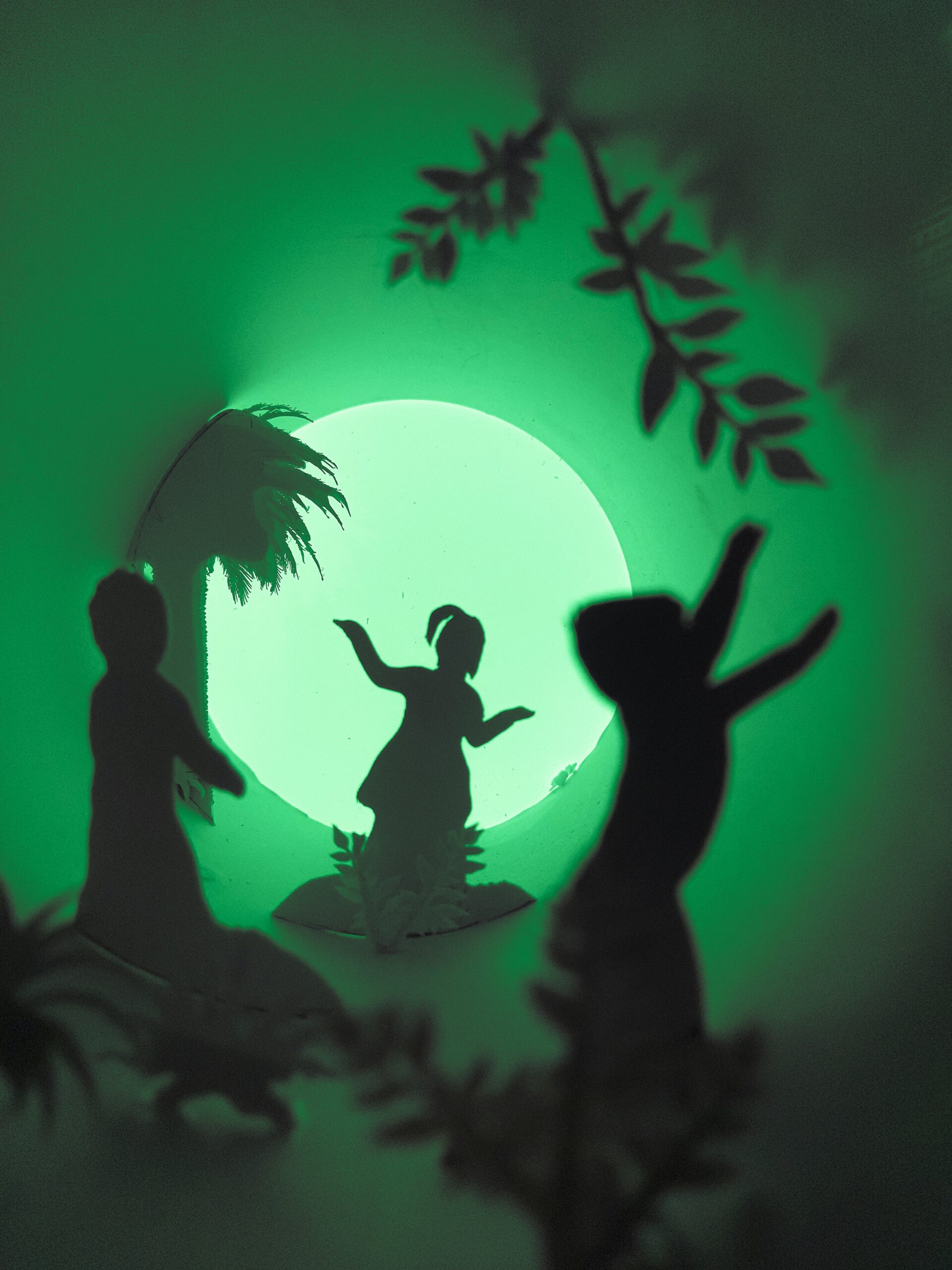
Tales by moonlight are now tales told on our digital platforms. African folklore animation studios are reviving the traditional storytelling culture, but with a modern, digital, and commercial outlook.
Africans are falling in love with their roots again. Global audiences want stories that are not the usual clichés. Now, to grab the attention of a global audience, African animators are turning rich folklore into vibrant, engaging, and modern tales. With digital platforms and animation technology, these stories preserve the heritage.
African animation studios are giving new life to traditional folklore. They are creating unique stories by adapting these stories into visually engaging contemporary narratives in such a way that they hold both educational and cultural value.
Animation studios are reimagining traditional stories to suit not just the local audience but also global audiences. In some cases, twists are added so that the stories are not too alien for the global audience but not too cliché to the locals.
A major trend with African animation studios that created uniqueness is the blending of African stories with futuristic or technological settings. They write the past into the future through their animations. They create African sci-fi. For instance, Iwájú features a futuristic Lagos, while Kizazi Moto: Generation Fire is an anthology that blends African myths with sci-fi. These stories often address modern themes like inequality, class divide, and technology while rooted in African cultural contexts.
Many productions use local languages and traditional music in the soundtrack. This enhances the authenticity of the experience. The use of storytellers and traditional music helps to create a unique experience.
From ancient times, traditional stories have always played a huge role in cultural preservation and audience engagement. It is a means of transmitting core values, history, and cultural identity through different generations.
African traditional stories are inherently powerful tools for audience engagement. African folklore animation it taps into feelings every human understands. This makes the stories instantly relatable to everyone, regardless of their culture or origin.
African folklore often deals with love, fear, ambition, morality, survival, justice, and identity. These themes naturally trigger emotional responses like curiosity, empathy, suspense, and wonder. Since these feelings are shared by people everywhere, the stories easily connect with audiences across cultures.
Animation projects transform folklore into commercially viable content by leveraging cultural storytelling for global appeal, modern relevance, and digital distribution. They want to tell the African story in a way that will captivate audiences around the world.
No, animation does not change the story. It simply reintroduces these stories to modern entertainment ecosystems. They want to make it something people can watch, share, invest in, and become attached to. This transformation is both artistic and strategic.
First, raw folklore is just oral stories, myths, chants, and legends, all symbolic fragments. They lack structured plots. African animation studios now build oral tales into full, structured narratives.
For example, Kugali Media’s Iwájú took Lagos-inspired folklore and layered it into a futuristic, six-episode series on Disney+. The story was recreated with a clear plot, climax, and resolution that resonated with audiences globally.
Another technique used by animation studios is applying the hero’s journey. They walk the audience through the experiences of the hero. They make the audience feel what the character feels, their decisions and dilemmas. In animation stories, it is not just that the hero conquered but all the experiences that led to that victory. This drives emotional connection and engagement with the audience.
A classic example is Michel Ocelot’s Kirikou and the Sorceress. It tells the story of a small but brave boy navigating challenges and confronting evil in a West African village. The story blends folklore with universal themes while creating a strong emotional attachment for viewers worldwide.
Also, animation studios make use of cultural symbols and traditional art to design characters that will be physically appealing to audiences across the world. They give characters visual designs that easily get the attention of the audience and keep them engaged.
Most African animation stories usually focus on universal themes like love, loss, friendship, and courage. These are themes that audiences all over the world can relate to. This makes the animations appealing to a global audience. Animation studios do not turn folklore into something new. It turns it into a living story people can enjoy today, share tomorrow, and keep coming back to.
It is interesting that African myths, once shared orally around fires and in villages, now find expression on global digital platforms. Animation studios in Africa are turning folklore into visually rich content, making traditional tales accessible to children and adults alike.
For instance, Kugali Media’s Iwájú, inspired by Lagos and Yoruba culture, premiered on Disney+, reaching a global audience and earning critical recognition. Similarly, Nigerian series like Òrìsà Adventures amassed over 15 million views on YouTube within six months, showing that audiences everywhere are hungry for culturally authentic storytelling.
Also, digital storytelling platforms and YouTube channels allow creators to reach millions, blending cultural authenticity with modern storytelling techniques. Grassroots projects like Uganda’s Hadithi za Mchana (“Daytime Tales”) have gone viral online, attracting millions of views in Luganda, Swahili, and English.
Meanwhile, interactive apps, games, and graphic novels let audiences experience African myths in immersive ways, giving global audiences the chance to explore African heritage firsthand. For instance, Toon Central Hub is an animation marketplace for these comics, offering a variety of titles for everyone to view. By harnessing the reach of technology, African myths are no longer confined by borders. They are shaping global narratives and inspiring a new generation of storytellers
Related: Netflix: What Streaming Data Reveals About Global Audiences
Here are the key trends in African animation and entertainment driven by cultural storytelling:
Wrapping up, African folklore is not being preserved by freezing it in time. It is being preserved by letting it move. Animation has become a practical, flexible tool for carrying traditional stories into modern media spaces. These stories engage audiences because they are culturally grounded, narratively rich, and visually adaptable. Folklore-driven animation shows that cultural storytelling and commercial viability co-exist. With digital platforms expanding reach, studios that combine tradition with technology are not just telling old stories again; they are redefining the future of African animation.