
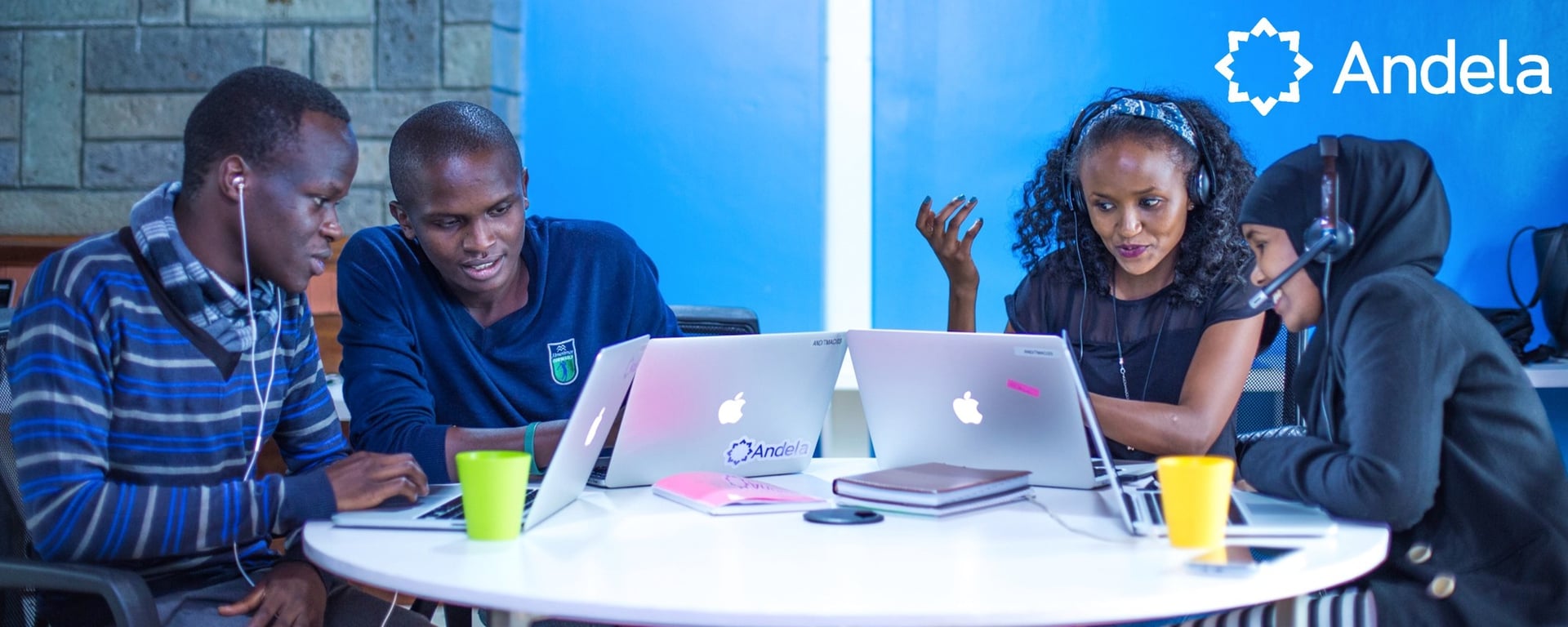
Andela was launched in 2014 by Jeremy Johnson and colleagues. It is a global talent marketplace that uses AI to connect top software engineers from over 135 countries with employers. Initially focused on teaching developers in Africa, it now operates globally, enabling businesses to hire technical talent 66% faster.
Candidates are validated using the “Qualified by Andela” platform, which has big clients including GitHub and Mastercard. The company promotes long-term engagements and competitive pay. During the epidemic, it expanded its strategy to include senior software developers globally. Andela’s goal is to establish diverse, remote-fluent teams for the future by promoting equal chances in the technology business.
Andela was co-founded by Jeremy Johnson and Christina Sass. It emerged from a failed venture called Fora, a distance-learning initiative for African universities. Launched in 2014, Andela trains and places software engineers with global companies to meet growing demand for tech talent.
After struggling for funding, a pivot towards a new educational model, which didn’t charge tuition, was suggested by Jeremy Johnson. This shift involved relocating operations to Nigeria and incorporating in the U.S. for improved legal and investment positioning.
Early on, Andela trained applicants through intensive bootcamps, assessing candidates before placing them on paid training tracks and global remote teams. By 2015, investments from major backers, including Mark Zuckerberg’s Chan Zuckerberg Initiative, supported rapid expansion across Kenya, Uganda, Rwanda, and Egypt.
The business model evolved from direct employment to a platform that facilitates direct hiring of vetted talent. This shift, reduced costs, expanded reach, and connected thousands of developers to international job opportunities.
Andela is a talent platform that connects top African software engineers with global companies using an AI-driven vetting process. It streamlines hiring by automating vetting, onboarding, and compliance while matching organizations with skilled remote developers in high-demand fields such as AI and cloud computing.
The platform places a high value on rigorous examinations and thorough training programs to prepare engineers for full-time remote positions. Its AI-powered solution helps businesses to quickly find suitable developers based on their individual skill sets and project needs.
Although Andele is situated in Africa, connects developers from over 85 nations to worldwide possibilities. This allows them to work on cutting-edge projects. It turns the talent gap into a “talent pipeline,” enabling businesses to create diverse, distributed teams of vetted developers.
Candidates first pass assessments in coding, problem-solving, and soft skills. They then complete several months of hands-on project training. After training, Andela connects developers with companies like Microsoft and GitHub for remote roles. The platform manages contracts and payments, allowing developers to work from home or co-working spaces across Africa.
Andela offers mentorship and development support, lowering employer hiring risks and helping developers improve skills, earnings, and quality of life.
Africa has a population of more than 1.2 billion and seven of the ten fastest-growing internet populations in the world. This underscores Andela’s role in developing top-tier software engineers and supporting the growth of digital startups in the US.
Africa is becoming a popular outsourcing destination due to its young workforce, low labor prices, and improved infrastructure. With a median age of 18 and a huge pool of educated young people, the continent has a sizable workforce, notably in English, French, and Portuguese, which is suited for global communication.
The outsourcing industry is predicted to increase at an annual rate of 11.5% until 2025, particularly in Nigeria and Kenya, owing to World Bank reports that highlight the trained, cost-effective workforce, 30-50% less expensive than traditional markets.
Remote work, enabled by applications such as Zoom and Slack, has helped this trend, allowing organizations to hire abroad without relocating.
Certain African countries’ supportive policies and tax incentives help to develop the industry even further. More than 3,000 engineers have been effectively placed by companies like Andela, boosting local consumption and remittances.
Remote employment in Africa is possible since developers can now work abroad without having to relocate. This change gives indigenous talent access to higher-paying professions while improving their abilities via exposure to international technologies, especially in nations like South Africa, Kenya, and Nigeria.
According to Andela, 85% of its graduates gain confidence from working remotely. Due to increased internet access, a youthful population, and the growing need for tech skills like software development and data analysis, the number of freelancers and remote workers in Africa has increased by 55% since 2020.
Women in IT are greatly benefiting from the increased career flexibility and inclusivity. Over 10 million Africans are predicted to work remotely by 2030, adding $300 billion to the economy despite obstacles, including infrastructure problems. According to a World Economic Forum analysis, the growth of digital jobs is expected to expand by 42% by 2030, and so, digital transformation will play a crucial role in employment development.
Andela trains talent for global remote teams with the Andela Talent Cloud, which combines AI and training to ensure technologists are remote-ready.
Andela’s key components are Andela Qualify, which employs real code simulations for evaluations; the Talent Decision Engine™ for optimal team matching; and the Andela Learning Community, which provides upskilling connections with tech leaders.
Codewars uses gamified competitions to improve coding abilities, while the Andela Technical Leadership Program uses real-world simulations to advance careers. Global integration and collaboration are made easier by support systems like Andela Pay and Andela Chat, which promote a remote-first mentality.
Companies may rely on Andela’s talent preparation for remote tasks because training procedures emphasize both technical and soft skills and are supported by crucial partnerships and continuous community support.
Local skill sharing, alumni mentoring, and entrepreneurship create ecosystems that benefit economies, especially in Kenya and Nigeria.
Geographical barriers are lessened by the growing trend of remote work, and Andela is a prime example of how preparation is crucial to developing global talent. African developers are better positioned for successful outsourcing prospects as they become more integrated into the global economy, thanks to solid training and organizational underpinnings.