
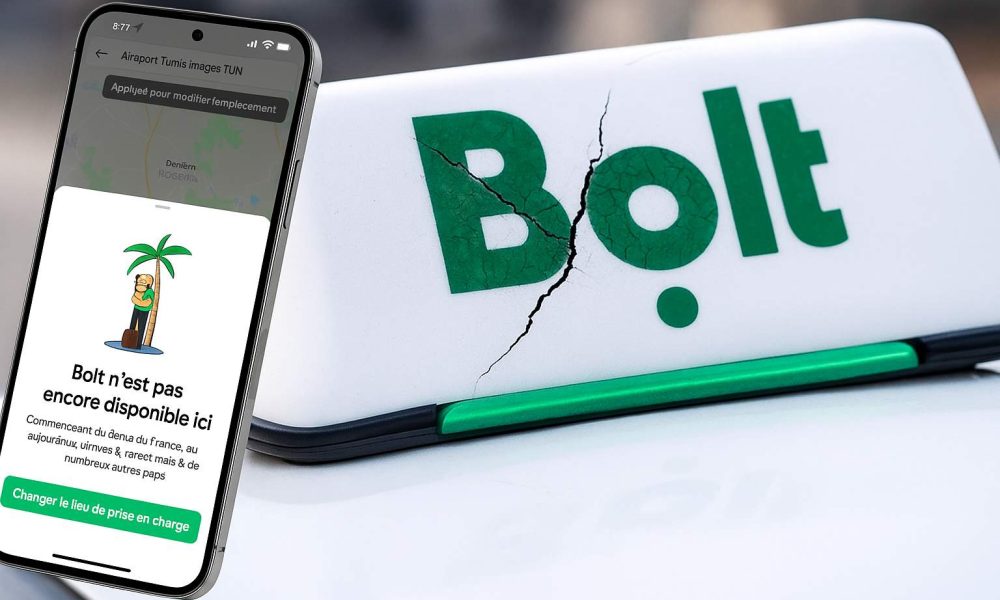
Before 2016, Nigeria’s ride-hailing industry had very few options, and those available were costly, especially in Lagos. By the end of that year, the number of ride-hailing services had grown to 14. One of them was Bolt (formerly Taxify), which overcame early operational challenges to become a market leader within five years, according to Statista.
Bolt entered the market amid intense competition but succeeded by adapting its services to local realities. In Lagos, this meant accounting for heavy traffic and widespread cash payments. In contrast, markets like London meant alignment with more structured transport systems and card-based payments. Since its rebranding from Taxify to Bolt, Bolt’s customer base expanded from 10 million to 25 million users, helping it become London’s second-largest ride-hailing service within six months. Bolt’s growth highlights the importance of adaptability in building transportation platforms that can succeed across very different markets, from Lagos to London.
Lagos is known for poor road conditions and slow-moving traffic. Flooding and the daily movement of millions of commuters make the situation worse. Many residents rely on informal transportation options, which remain relatively affordable despite low incomes, because formal taxi services are limited and expensive. Cash payments are common, largely due to restricted access to banking services.
London is different. The city operates with structured traffic regulations, congestion charges, and a strong public transportation system that includes buses and the Tube. Although operating costs are higher, mobility in London benefits from reliability, efficiency, and widespread use of integrated digital payments.
Urban transportation priorities differ across both cities. London places greater emphasis on efficiency and sustainability, while Lagos prioritizes affordability. Lagos’s ongoing urban restructuring reflects challenges shared by many sub-Saharan African cities attempting to integrate into the global economy while managing rapid population growth.
This rapid urban growth has not been matched by sufficient infrastructure, housing, or public services. So, there is overcrowding, poverty, and limited access to basic urban amenities. These conditions point to the need for transformation and sustainable development to reduce the strain on city infrastructure.
Bolt provides a consistent app experience in both Lagos and London. Customers can open the app, enter a destination, view driver details, and track their journey using GPS. While these core features remain the same, Bolt adapts its operations to local habits.
This adaptable approach allows Bolt to operate across more than 50 countries, with local teams controlling key factors such as pricing, promotions, and partnerships.
In Lagos, Bolt functions as a primary ride-hailing service, supporting a range of travel needs. These include on-demand rides, airport transfers, and a parcel delivery service known as Bolt Send. The app supports both cash and cashless payments, offers upfront pricing, and places emphasis on safety by requiring users to confirm vehicle details and driver information before each trip.
Bolt Send extends the platform’s functionality by offering same-day parcel delivery through motorcycles, airport transport from Murtala Muhammed International Airport, and dynamic pricing that adjusts based on demand, operational costs, and fuel prices.
Before requesting a ride, Bolt riders can see the trip price upfront. This price factors in the base fare, time, distance, and dynamic pricing. The estimate is based on the most efficient route, but it may change due to traffic conditions, tolls, destination changes, extra stops, or route adjustments during the trip.
In Lagos, fares are designed with price-sensitive riders in mind. The minimum rate starts at around ₦800, and surge pricing is applied sparingly. In London, pricing follows a different structure. Rates typically begin at about £2.50, with additional charges calculated per mile and per minute. Even with this structure, Bolt is generally 10–20% cheaper than Uber.
Payment methods also reflect local preferences. Cash payments remain common in Lagos, while London operates almost entirely on cashless transactions. By adapting both pricing and payment systems to local habits, Bolt maintains accessibility for riders while staying competitive in each market.
Bolt adapts its urban mobility features to match the realities of each city it operates in, introducing different tools and services in places like Lagos and London.
In Lagos, mobility solutions are designed around congestion and limited infrastructure. Bolt offers motorcycle and tricycle options to help riders navigate heavy traffic more easily. The company also manages dedicated airport pickup parks to meet local regulatory requirements. Safety receives particular attention, especially for women. Bolt provides women-only ride options and relies on verified drivers, responding to local safety concerns and rider expectations.
London presents a very different mobility environment. Bolt integrates public transport data into its platform and offers micromobility options such as e-scooters and e-bikes. This allows users to combine multiple transport modes within a single journey. Premium features, like faster pickups, are aimed at business professionals who prioritize comfort, reliability, and predictable travel times.
Both cities have access to core safety features like ride sharing and emergency buttons, but user priorities differ. In Lagos, riders often value speed and availability due to unpredictable traffic conditions. In London, users tend to favor consistency, comfort, and schedule reliability.
Bolt applies similar localization strategies in other cities. In Seville, for example, the focus is on short-distance travel using e-bikes, targeting young adults and tourists through data-driven planning. In Nigeria, Bolt also operates “Call-A-Bolt” services for users without smartphones, improving accessibility in areas where smartphone penetration or internet reliability is limited.
These variations require strict compliance with local safety standards.
Many drivers in Lagos use their personal cars or motorcycles to earn extra income. Bolt provides training on how to use the app safely and efficiently. To reduce fuel costs and support greener transport, the company recently launched a program that allows drivers to rent, and eventually purchase, electric trikes. Safety measures include driver identity verification and tools that help protect riders during trips.
In London, drivers must hold specific licenses, and all vehicles are regularly inspected to ensure they meet quality standards. Background checks are mandatory, and Bolt is encouraging the use of electric cars to support the city’s environmental goals.
Bolt also maintains a competitive commission model, taking a lower cut than many other ride-hailing apps (10–20%) to keep drivers motivated. In Lagos, some drivers still express concerns about profitability after accounting for fuel and maintenance costs, reflecting the unique financial pressures of the local market. Meanwhile, London operations focus on compliance with strict municipal regulations and safety standards.
By tailoring operations to local conditions, Bolt balances efficiency, safety, and driver satisfaction across very different urban environments.
Bolt operates in highly complex regulatory environments in both Lagos and London, actively collaborating with government agencies, transport unions, and other stakeholders to create fair and scalable solutions. Regular stakeholder roundtables foster trust and innovation in addressing regulatory challenges, according to Osi Oguah, General Manager of Bolt Nigeria.
In Lagos, compliance involves sharing data with state authorities and coordinating with governments on licensing and airport access. While these requirements occasionally create friction with drivers—particularly around fare disputes, Bolt prioritizes transparency and cooperation. London operations follow Transport for London (TfL) regulations, including congestion charges, emissions standards, and rigorous driver vetting, while lobbying for the adoption of electric fleets to meet environmental goals.
Local teams engage regulators continuously to adapt to changing ride-hailing rules and advocate for fair competition with ordinary taxis.
Operational challenges differ by city: Lagos contends with frequent power outages that require offline app functionality, while London faces rising fuel and parking costs. Navigating 36 distinct state regulatory agencies in Nigeria demands agility, including participation in public hearings, safety summits, and policy consultations.
Additionally, Bolt addresses arbitrary tax concerns and implements strict data protection measures. As Weyinmi Aghadiuno, Bolt’s Senior Public Policy Manager for West and Central Africa, explains:
“To accomplish our business goals while remaining responsive to drivers, riders, and passengers, our key purpose is to align internal procedures with external regulations. A key component of our operational strategy is ensuring that all pertinent regulations and stakeholder feedback are followed.”
By combining local insights, regulatory collaboration, and proactive product development, Bolt is promoting safe, reliable, and sustainable mobility across Africa and Europe.
Wrapping up, Bolt grows by adapting to the situation, not by copying what everyone else does. Cities have a greater impact on product design than most corporations realize. What works in one city may not work in another. Transportation apps must address real-world concerns. Shared rides only gain popularity if they reflect how people in that area behave. To succeed in a region, you must listen to the people and not assume what they want. Bolt’s tale demonstrates that mobility platforms are tailored to each city, concentrating on the people, roads, and financial circumstances rather than just the brand.
