
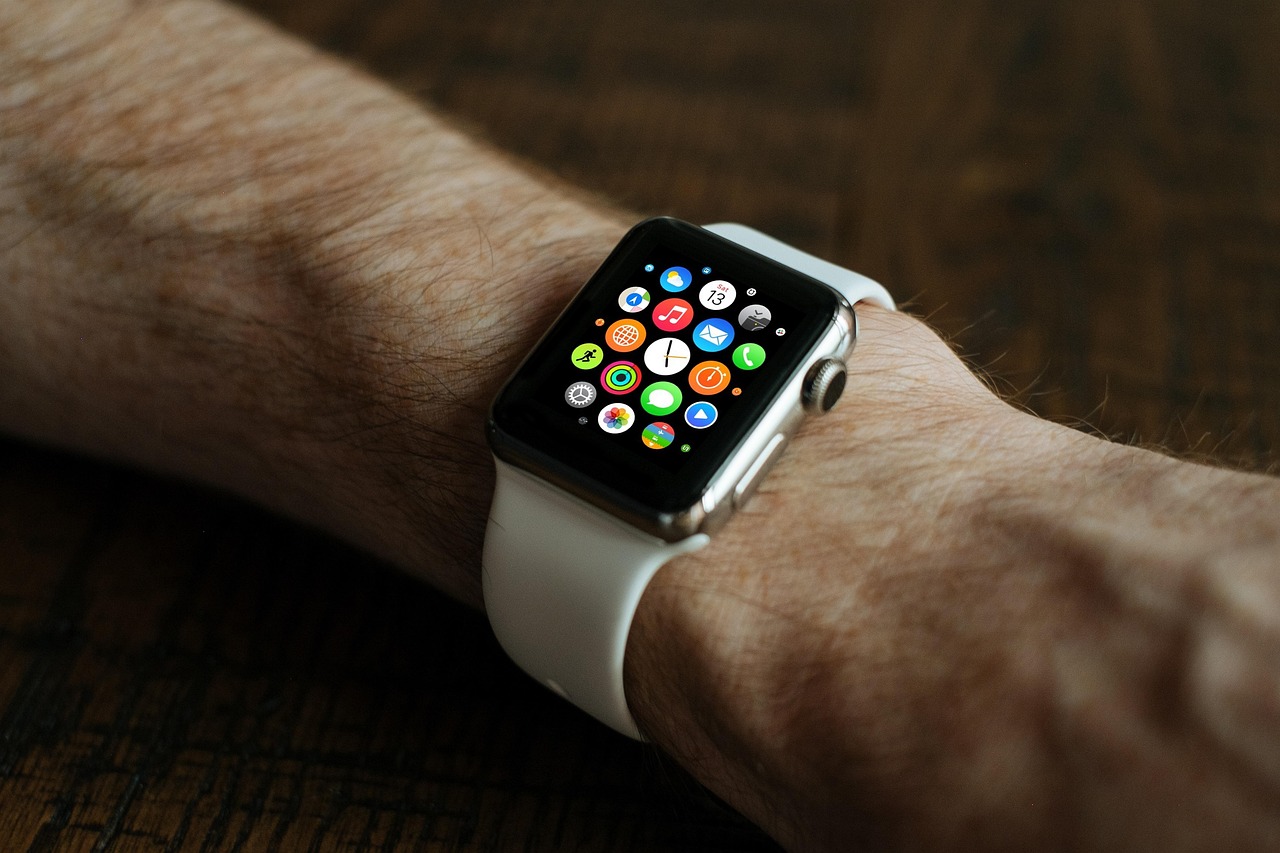
Mental health encompasses an individual’s emotional, psychological and social well-being, influencing their thoughts, feelings and behaviour. As a result, innovations in mental health technology are advancing with new wearable devices capable of detecting panic attacks before they even begin.
Most of the time, these devices detect one before the person even notices it. All over the world, anxiety rates continue to rise, but access to quality mental health care remains inaccessible for a lot of people. However, the good thing is that health technology has massively improved. Wearables can now track heart rhythm, skin response, breathing patterns, and movement continuously.
“Technology does more than delight, entertain and make our lives more convenient; it’s also an agent for social good.” – Ron Conway.
Mental health wearables are devices worn to monitor physical signals linked to a person’s emotional and psychological states. They’re very similar to smartwatches and fitness trackers, but the difference is that their function includes more than just calculating steps and calories. These devices take note of how the body reacts to stress, anxiety, and sudden emotional changes.
Instead of asking questions, wearables observe how the body behaves. This is also important because panic attacks are physical as much as they are emotional. The body always reacts first, and the mind often takes a short time to catch up.
Panic attacks often feel sudden, but they rarely come out of nowhere. Before it starts, your body will show you warning signs: heart rate rises, breathing becomes shallow, muscles tense, and sweat levels increase. Most people don’t sense these changes early enough, and this often leads to panic attacks that feel uncontrollable. Mental health technology wants to address that problem by identifying patterns the body shows before conscious awareness kicks in.
Panic attack detection technology depends on biosensors that collect continuous data from the body to work. These biosensors don’t detect panic directly; they function the same way as vital sign monitors that are used in the hospital by doctors to check a patient’s vitals, such as heart rate, blood pressure, tempreature and others. what they do is that they detect physiological changes associated with panic attacks and give warning signals. Common signals include:
When there’s fluctuations in these signals, mental health wearables uses it’s algorithms to automatically hint at a potential panic event. The goal is not in the diagnosis. It lies in the early warning sign and to prevent any adverse effect.
One of the most important signals tracked through mental health wearables is heart rate variability, or HRV. It measures the variation between heartbeats, not just how fast the heartbeat is. If the variability is low, it usually hints at nervous system imbalance or signal stress. During the early stages of a panic attack, HRV often drops sharply. Mental health wearables are adept at tracking this continuously, thereby allowing patterns to be seen over time rather than depending on isolated readings.
As soon as the elevator doors shut, Mary instantly knew something wasn’t right. She couldn’t sense any attack yet. There was no tight chest. No trembling hands. The only thing out of place was a faint buzz on her wrist.
She glanced at the words on the screen: Breathe slowly.
She frowned. It was just 7:03 a.m. She was early to work and the only person in the elevator. She sighed and ignored it. Within a few seconds, breathing became difficult.
She inhaled. Counted to four. Exhaled. Everything returned to normal. A while ago, she would’ve pushed this away. Her panic attacks happened everywhere: at work, on the bus, and in the supermarket. It was always humiliating.
The doctor said it was due to stress. Her friends pleaded with her to take it easy at work. None of their suggestions ever worked. The watch came as a gift from her sister, but Mary hated it. She felt like she was being monitored. But eventually, she began to welcome it.
Panic didn’t start in her head. It started quietly. A heartbeat out of rhythm. A breath she didn’t finish. That morning, she calmly stepped out of the elevator. There was no panic attack. She did as the watch instructed, and it paid off.
And this is what wearables do. They warn you before it happens.
Skin conductance measures how much the skin sweats; it measures even at very low levels. When anxiety is heightened, sweat glands are bound to be activated because of the body’s response to stress. This happens before sweating becomes visible. Biosensor wearables can also detect these micro-changes, making skin response a strong indicator of rising anxiety. Added to its heart and breathing data, it makes detection accuracy stronger.
Breathing can quickly change when one is under stress. When panic sets in, breathing becomes faster and shallower. People tend not to notice this until symptoms escalate.
Wearables keep track of breathing rhythm through chest movement, oxygen levels, or subtle motion sensors. This method helps detection systems to detect stress patterns before hyperventilation starts.
Catching panic attacks early doesn’t quite mean you’ll be able to completely stop them, but it changes how people react to them. If a device alerts someone early to reduce intensity and duration, they can:
Mental health technology aims to move panic management from reaction to awareness.
If a device sends an aggressive warning, it could worsen the potential panic attack. And this is why platforms focus on giving subtle signals. Examples include:
In all of these, design matters as much as detection. The goal is to support these people, not alarm them.
Mental health wearables are used by a wide range of people. Some users are those who have been diagnosed with anxiety disorders. Other users experience occasional panic in high-stress environments.
Students, professionals, athletes, and people with high-pressure jobs are the early adopters of this device. Contrary to what people might assume, its goal isn’t to monitor your life constantly but to provide optional awareness during daily life.
Raw data alone is not useful or sufficient. Mental health technology depends on pattern recognition as time goes on. What looks like stress for one person may be normal for another. Understanding this personalisation will help in reducing false alerts and improving trust in the system.
Below are clear examples of Panic detection wearables.
These devices use sensors to track metrics like HRV, respiratory rate, and sleep quality to deduce stress or figure out the start of a panic attack.
The rise of panic detection wearables is a clear indication of the gaps in traditional care. Therapy access is limited, and health professionals are overworked, leaving many people who need care unattended. Wearables extend awareness into daily life by noting when anxiety is about to happen.
Subsequently, the growth of mental health wearables reflects real gaps in access and support. Early detection is moving the mental health care sector from reaction to awareness, helping people manage panic attacks a lot better than they used to before.
Mental health data is sensitive, and people are cautious about being exposed, as heart rate and stress data reveal intimate details about one’s daily life. Health technology platforms are beginning to prioritise user intimate and vunerable moments, they keep their users’ minds at ease, and prioritise:
In conclusion, biosensor technology is now a part of everyday health, not as a cure, but as a coordination layer between body signals and conscious action.