

The M-Pesa system upgrade is one of the most notable infrastructure improvements in African digital payment history.
For millions of customers who rely on digital tools for everyday transactions, the upgrade directly affects transaction speed, platform stability, and service accessibility. The company’s decision to transform its foundational technology came as transaction volumes began to outgrow the platform’s earlier architecture, especially during peak usage periods.
Mobile payments across Africa have increased significantly over the past five years. M-Pesa alone processes billions of transactions annually, with high-demand seasons regularly testing system capacity. The M-Pesa 2.0 system architecture addresses these scale pressures by redesigning core systems to handle up to 12,000 transactions per second, improving reliability without disrupting existing services.
This upgrade reflects broader shifts in digital payments across Africa, where the demand for fast, dependable financial services continues to grow among both individual users and businesses, particularly as mobile money becomes embedded in daily economic activity.
The upgrade to M-Pesa 2.0 involved replacing old systems with a modern setup built to handle a lot more transactions. Safaricom moved M-Pesa from its old system to one based on newer database technology and distributed computing, which allows work to be spread across many servers.
The old system was built over ten years ago, when far fewer transactions were happening. Engineers found slow points in database requests, network connections, and payment checks. The new system fixes these issues.
M-Pesa’s system upgrade now allows it to process approximately 12,000 transactions per second, up from around 800 previously. This big jump was possible because the system can handle multiple processes at the same time, uses simpler data structures, and reduces delays between parts of the system. Instead of relying on a few servers, the new setup spreads the work across many servers.
Improving the database was also very important. The team split the data across multiple databases so no single one slows down the system. This makes verifying account balances, updating transactions, and confirming payments much faster.
Transaction speed directly affects how users experience M-Pesa, especially during busy periods. When transactions are processed quickly, users spend less time waiting for confirmations. This is particularly important for businesses that handle many payments each day.
Small business owners who receive dozens or even hundreds of M-Pesa payments daily benefit from faster settlements. Quick processing means confirmation messages arrive sooner, account balances update faster, and there’s less uncertainty about whether a payment went through. For vendors at busy markets or transport operators managing continuous transactions, every second counts.
The system’s capacity also affects reliability during peak periods. In the past, users sometimes faced delays on salary days, month-end shopping spikes, or major public events when transaction volumes surged. With M-Pesa 2.0, these delays are far less likely.
Network stability also improves when the system isn’t pushed to its limits. Running at around 60–70% capacity during normal times allows room for sudden traffic spikes without affecting service quality. This extra buffer prevents the kind of cascading failures that occasionally happened with the old system.
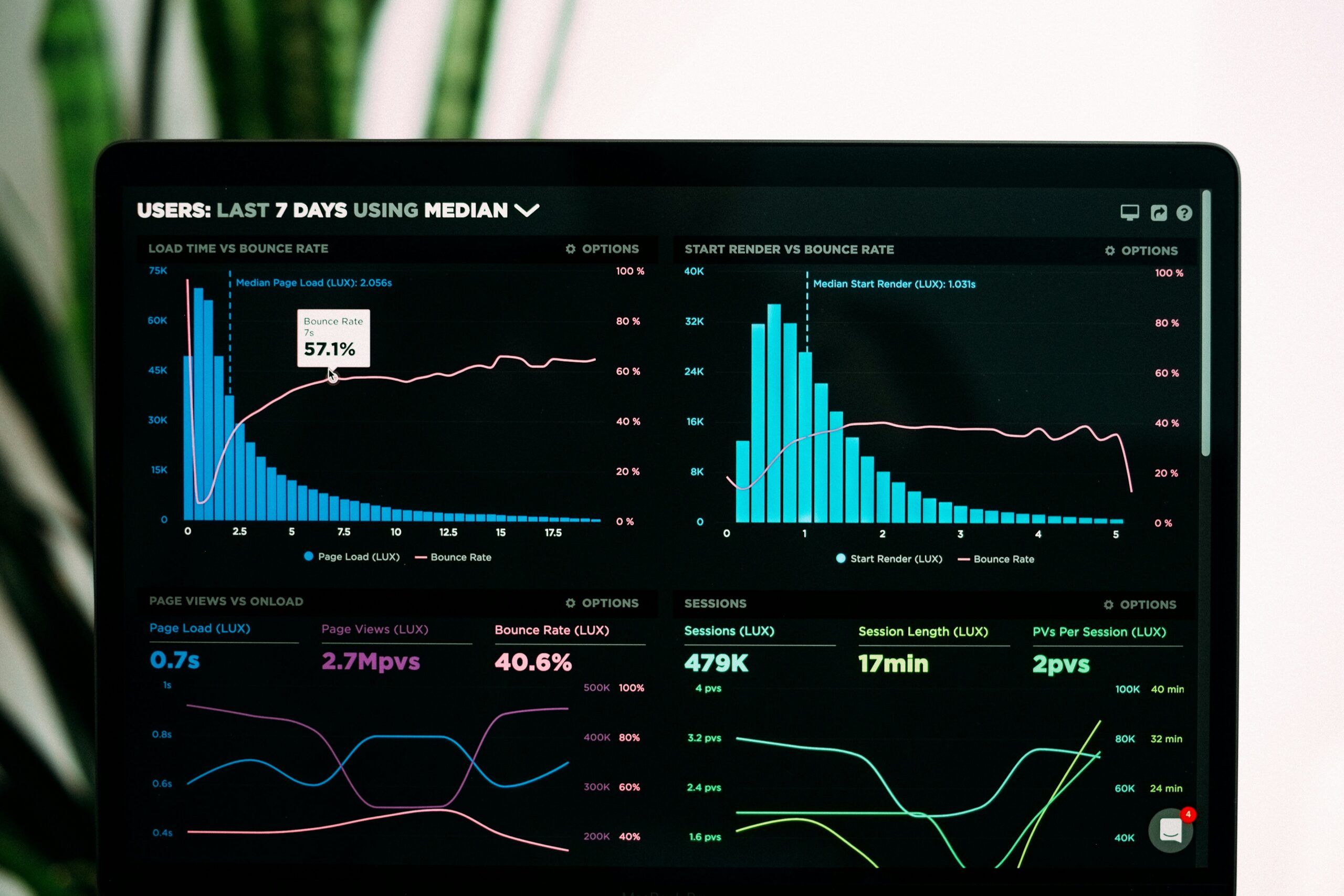
Image: Unsplash
Mobile money networks face different demands than traditional banks. While banks see most activity during business hours, mobile money systems operate 24/7. Busy periods are not predictable, they peak on market days, paydays, or during cultural events, so systems must be ready at all times.
The M-Pesa 2.0 upgrade cost hundreds of millions of dollars, but the investment was necessary. Outages can erode customer trust and open opportunities for competitors. In markets with multiple mobile money options, reliability becomes a key factor that separates leaders from followers. This is why building robust mobile money infrastructure has become a top priority for major providers.
Revenue considerations also played a role. M-Pesa generates fees from transactions, transfers, and vendor payments. With higher processing capacity, the platform can handle more activity without slowdowns, directly supporting revenue growth as user numbers rise. This strategy mirrors broader trends in how fintech companies scale in emerging markets, combining infrastructure investment with long-term business sustainability.

Image: Unsplash
The M-Pesa 2.0 upgrade shows how African fintech companies address infrastructure differently from those in developed markets. Rather than relying solely on off-the-shelf systems, Safaricom collaborated with technology partners to create solutions customized for local conditions.
Network connectivity in Africa is often unpredictable. Users may experience slow internet speeds, intermittent connections, or temporary network overloads. To handle this, the upgraded system includes retry logic, offline transaction queuing, and bandwidth optimization, ensuring transactions can still be processed smoothly under challenging conditions.
Security was another key design consideration. As mobile money usage grows, fraud attempts have become more sophisticated. The new system features real-time threat detection, behavior analysis, and automated alerts for unusual activity, all without slowing down legitimate transactions.
Integration capabilities were also expanded. M-Pesa now connects more efficiently with banks, payment gateways, utility providers, and government platforms. Achieving this required standardized APIs, secure data exchange, and cross-organization reconciliation systems to ensure seamless, reliable transactions.
For users wondering whether they need to update their M-Pesa, the answer is simple: you don’t. The upgrade took place entirely on Safaricom’s backend systems, so the app and USSD codes work the same way but now with faster and more reliable performance.
Key improvements users will notice include:
These upgrades directly improve everyday reliability, ensuring users can trust M-Pesa for personal and business transactions even during peak usage.
Traditional banks usually handle far fewer transactions per account than mobile money platforms. A typical bank customer might make 10–20 transactions per month, while an active M-Pesa user can complete several transactions every day. This difference in usage patterns calls for a very different approach to infrastructure.
Banks invest heavily in branch networks, ATMs, and card processing systems. Mobile money platforms, on the other hand, rely on strong telecommunications networks, agent networks, and USSD gateways. How capital is allocated depends on how customers access and use services.
Processing needs also differ. Bank transactions are often larger but less frequent. Mobile money transactions tend to be smaller in value but much higher in volume. Infrastructure built for one type of usage doesn’t automatically handle the other efficiently.
The M-Pesa 2.0 upgrade shows that mobile money has evolved into its own category of financial infrastructure, requiring specialized engineering. While early mobile money systems adapted banking technology, modern platforms need purpose-built solutions designed for their unique usage patterns.
Processing 12,000 transactions per second puts M-Pesa’s capacity in perspective. By comparison, Visa processes around 65,000 transactions per second at peak, serving billions of cardholders worldwide. M-Pesa primarily serves Kenya and a few other African markets, which means its transaction density per user is very high.
Transaction volumes continue to grow rapidly. Safaricom reported that M-Pesa processed over 15 billion transactions in recent fiscal years, reflecting significant yearly increases. The upgraded infrastructure ensures there is enough capacity to support this growth for several years before another major overhaul becomes necessary.
The economic benefits go beyond transaction fees. Businesses that accept M-Pesa payments operate more efficiently, with lower cash handling costs and better record-keeping. Research has shown that access to mobile money supports small business growth, strengthens household financial stability, and increases economic opportunity in underserved communities.
The Safaricom upgrade reflects wider trends in how African fintech companies approach infrastructure investment. As mobile money becomes a core part of financial life, expectations for reliability and performance now rival those of traditional payment networks.
Other mobile money providers across Africa such as MTN Mobile Money, Orange Money, and Airtel Money face similar challenges handling huge transaction volumes. The technical strategies pioneered by M-Pesa 2.0 are likely to influence how these platforms expand and scale.
Cross-platform compatibility adds another layer of complexity. When users transfer money between different mobile money services, systems must verify accounts, authenticate transactions, and settle balances in real-time. Achieving this requires standardized protocols and robust communication between platforms.
Regulatory oversight is evolving alongside this growth. Financial regulators increasingly classify mobile money platforms as systemically important payment infrastructure, similar to banks. This classification brings new obligations, including disaster recovery planning, security audits, and performance monitoring.
For small businesses, the M-Pesa 2.0 infrastructure improvements unlock new possibilities. Faster transaction processing now supports real-time inventory systems that update immediately when customers pay. Point-of-sale integrations work more reliably because the payment system responds quickly and consistently.
Large merchants handling thousands of M-Pesa transactions daily see direct operational benefits. Reconciliation becomes simpler as transaction confirmations arrive on time, and fewer errors occur. Accounting systems can update almost in real-time, eliminating the need for end-of-day batch adjustments to fix discrepancies.
Individual users also gain greater confidence in the platform. When mobile money works reliably, people trust it for more significant transactions. This trust encourages broader usage, including bill payments, savings, and merchant purchases, beyond basic person-to-person transfers.
The M-Pesa system upgrade also positions M-Pesa to support additional services. The increased processing capacity and reliability make it possible to offer microloans, insurance products, and investment platforms all of which rely on the same robust infrastructure that powers everyday transactions.
Concluding, the M-Pesa system upgrade addresses the core scalability and reliability challenges that emerged as mobile money evolved from an experimental service into essential financial infrastructure. Technical improvements, higher transaction capacity, reduced latency, and enhanced error handling, directly improve the user experience while enabling new business opportunities.
This upgrade illustrates how African fintech has matured, moving beyond testing concepts to building robust systems capable of serving tens of millions of users daily. As transaction volumes continue to grow and additional services leverage mobile money platforms, the infrastructure investments made today will shape the continent’s financial services landscape for years to come.