In Nigeria, which has Africa’s largest population and economy, many businesses compete to be the most popular. Certain companies have become so well-known that people refer to them by name when discussing their products.
For example, Maggi, a Nestlé Nigeria brand, has become the umbrella name for all culinary seasoning cubes. People call instant noodles Indomie and sausage buns Gala. This is what marketers call “brand genericization,” when a brand name becomes the default term for a whole category. This is not limited to Nigeria; other well-known trademarks around the world have also progressively become generic phrases.
Image: Amazon
FairMoney is recognized for its customer-centric approach, providing tailored financial solutions without loan shaming, which has cultivated a loyal customer base and strong reputation in Nigeria’s digital financial services. With over 5 million users and 15,000 loans disbursed daily, it is a trusted name in digital banking and lending. As a CBN-licensed microfinance bank, FairMoney offers loans, savings, bill payments, and investment services via its app, with deposits insured by the NDIC for added security.
Image: Punch
In under two decades, the BUA Group, created by the Rabiu family, has become a household name in Nigeria, demonstrating tremendous wealth growth among renowned African families. According to Nielsen’s Global New Product Innovation Survey, 59% of consumers prefer to buy new products from familiar brands, demonstrating the competitive landscape that tiny enterprises confront in comparison to established brands. BUA Group began as a trading firm about thirty years ago and has effectively differentiated itself by focusing on sound branding ideas, realizing that great branding goes beyond just logos or commercials. Their method includes first targeting a certain audience while emphasizing their company’s beliefs and passions.
Image: Africatopsuccess
Jumia has become a household name in Nigeria’s e-commerce market, achieving considerable development by changing digital retail with a robust logistical network and over 200 pickup sites. By Q3 2024, it had 2.4 million active quarterly clients, earning trust and supporting economic growth with a diversified product portfolio while also contributing to the country’s digital transformation.
Chowdeck, a rapidly growing on-demand delivery business in Nigeria, has grown to over 500,000 subscribers and 3,000 riders since its inception in October 2021. The service targets substantial traffic concerns in big cities, improving the efficiency of grocery and meal purchasing. Chowdeck has excellent ties with big companies such as Shoprite, Chicken Republic, and KFC, which has helped it gain popularity among both customers and riders. Smartphone penetration, improved payment mechanisms, and changing consumer preferences have all contributed to the expansion of delivery services in Nigeria.
Was formed in 2018, is quickly becoming a household name in Nigeria’s payment services, especially among the younger population. Kuda, a digital-only bank with a banking license, operates without traditional branches, distinguishing itself as a neobank and challenger bank. The startup has raised $1.6 million from investors and formed relationships with major banks such as Access Bank and GTBank, allowing customers to deposit cash for free at over 10,000 locations.
Bokku Mart is a fast-expanding retail chain in Nigeria, has grown in popularity in many households since its launch on September 30, 2022. The name “Bokku,” which is derived from pidgin English for “plenty,” symbolizes the abundance available at their locations. With 124 sites in major cities, including Lagos, Abuja, and Port Harcourt, Bokku Mart has disrupted the retail business by luring customers away from established brands through competitive pricing and high-quality products. Olamide, a Lagos resident, emphasized the allure of Bokku Mart’s low-cost foodstuffs and popular bread, demonstrating the potential of this new retail choice.
Image: Techfinancials
MTN Nigeria’s entry into the telecommunications market has been a watershed moment for many Nigerians, enabling access to high-quality mobile services following the closure of NITEL. For more than 15 years, MTN has established itself as a dominant participant in the sector. Strategic placement has been critical to its success, with good distribution of value-added services across multiple regions, including northern places like Kaduna and Kano, which have higher use than Lagos, Nigeria’s commercial hub.
Launched as an antiseptic in the 1930s, Dettol has earned a strong reputation for dependability and trust, particularly in hospitals. As one of the oldest hygiene products, it has been an essential part of family life for over a century and is currently the world’s most popular antiseptic, distributed in 124 countries with over 2000 units sold every minute. With disease-causing bacteria up 58% in the last 20 years, Dettol’s role in saving lives is important as it approaches its 100th anniversary. In Nigeria, Dettol developed a massive consumer campaign to encourage personal hygiene, reaching around six million mothers over a five-year period.
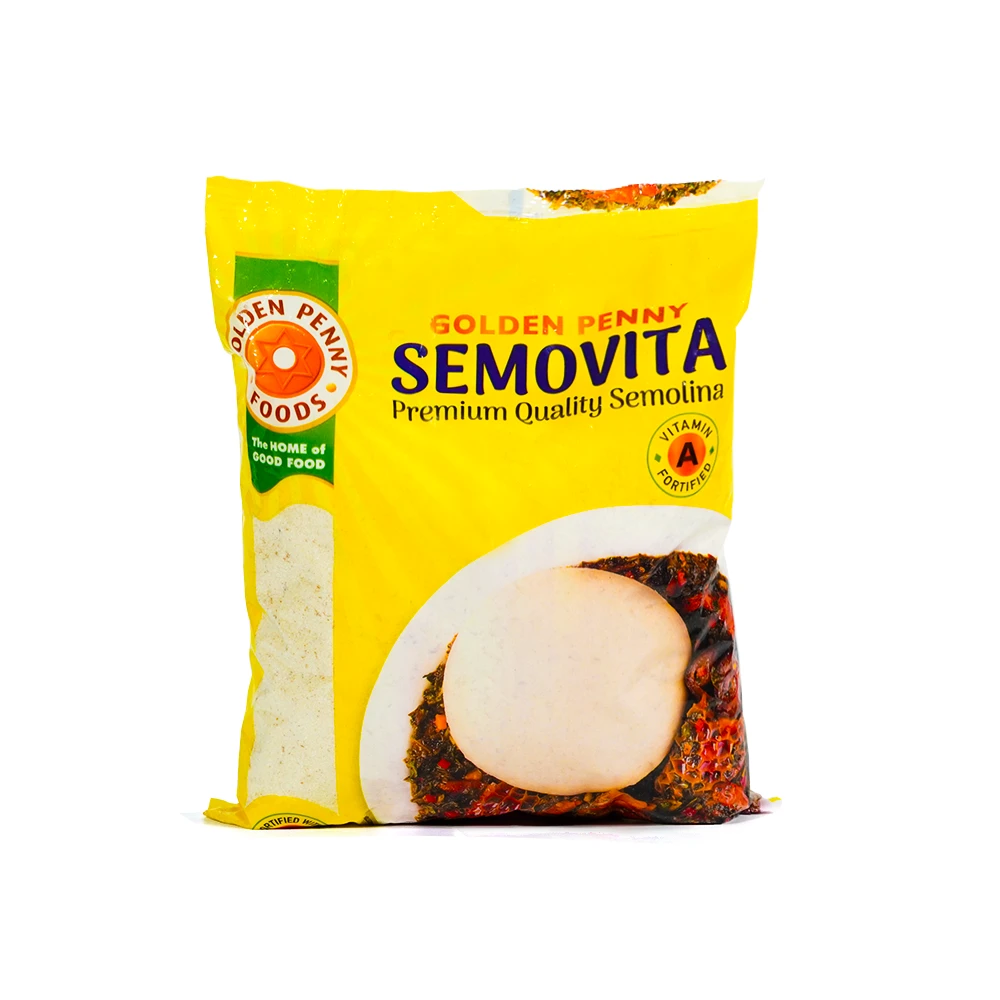
It is a popular option among Nigerian families because it is a top product of Flour Mills of Nigeria and represents the brand’s dedication to quality. Despite the emergence of competing brands, people prefer Semovita to semolina because of its particular flavor, despite the fact that Semovita is really a semolina brand.
Flutterwave is a prominent fintech startup that offers a variety of services, including online banking and payment processing. Because of its cutting-edge technology, it is very well-liked by Nigerian consumers and companies. Founded in 2016 by Iyinoluwa Aboyeji and Olugbenga Agboola, fintech businesses have proliferated in Nigeria, especially in the last few years, revolutionizing financial services and money management.
Through GIG Logistics (GIGL), which is renowned for its creative last-mile delivery and has become a household name in e-commerce fulfillment, it has revolutionized logistics for Nigerian SMEs and individuals. Founded in 1998 as God is Good Motors by Edwin and Stella Ajaere, GIG has developed into one of Nigeria’s oldest family-owned businesses.
Successful brands prioritize understanding their core customer over trying to appeal to everyone. Knowing their target market allows them to establish a brand identity and messaging that is tailored to the audience’s specific needs. This tailored strategy allows their message to stand out among competing companies, demonstrating to the audience that the company understands them.
Successful brands are defined by consistency and dependability throughout time, which generates a sense of security and confidence. This consistency represents a brand’s mission and devotion, preventing uncertainty regarding its identity. Inconsistent branding might result in a lack of clarity about brand principles. Ultimately, consistency develops brand equity, which improves reputation and value over time.
Successful brands prioritize community engagement over direct selling, fostering meaningful connections that build trust. Social media plays a crucial role in addressing audience needs, while initiatives such as school feeding programs enhance brand loyalty, exemplified by Indomie’s commitment to the community. Additionally, Jumia’s loyalty program, “Jumia Prime,” offers benefits like free delivery and discounts, promoting repeat purchases and customer retention.
Authenticity must permeate the entire organization and go beyond surface-level components like slogans or logos. Aligning your communication with the experiences of your audience is essential to achieving authenticity. People will perceive a lack of sincerity if you make unfulfilled promises or use forced messaging. Being authentic attracts people to you and fosters pride in affiliation by strengthening integrity and trust. To win over the audience, always be true to yourself and own up to your faults.
Wrapping up, successful Nigerian brands build their reputation not just by being visible but also by continuously satisfying customer needs, which leads to familiarity and trust. As these brands become part of daily life, they influence how people connect and build meaningful healthy relationships. Future market leaders in Nigeria will concentrate on developing systems that facilitate daily life, with dependability being crucial in settings that are price-sensitive and competitive.