
For more than ten years, conventional fertilizers have helped ensure that the world is fed. They have transformed modern agriculture, but they have also left environmental havoc behind. Chemical-heavy farming means polluted waterways and greenhouse gases.
That is where sustainable biofertilizer comes in. Pivot Bio is pioneering this charge, releasing synthetic nitrogen for living microbes that do the job naturally. Pivot Bio’s solution is innovative, engineered smart bacteria that live on crop roots and pump out nitrogen when the plant needs it. It is precise, efficient, and optimized. Let us explore how this innovation is addressing some of the biggest inefficiencies in global food production.
Plants cannot grow without nitrogen. It is how they synthesize proteins, stay green, and grow rapidly. That is why artificial nitrogen-based fertilizers have transformed food production for humanity since the early 1900s.
But the process is faulty. Farmers distribute ammonia or urea on their fields, and natural processes dominate. Rain carries the fertilizer into nearby rivers. High temperatures turn it into a gas that escapes into the atmosphere. Meanwhile, soil bacteria transform it into nitrous oxide, a greenhouse gas that is significantly more damaging to the climate than carbon dioxide.
Research indicates a harsh reality that plants only get 30 to 50 percent of the artificial nitrogen farmers apply; the rest evaporates into the air or leaches into waterways. The surplus pollutes the environment. To compensate for the losses, farmers use even more fertilizer, and the process just continues.
All that runoff causes ecosystem damage in regions such as the Gulf of Mexico, expanses of ocean where nothing can survive because there is no oxygen left. Nitrogen seeping into the air contributes to climate change and impacts air quality. So, although the current system supports billions, it damages the natural resources that agriculture needs to survive.
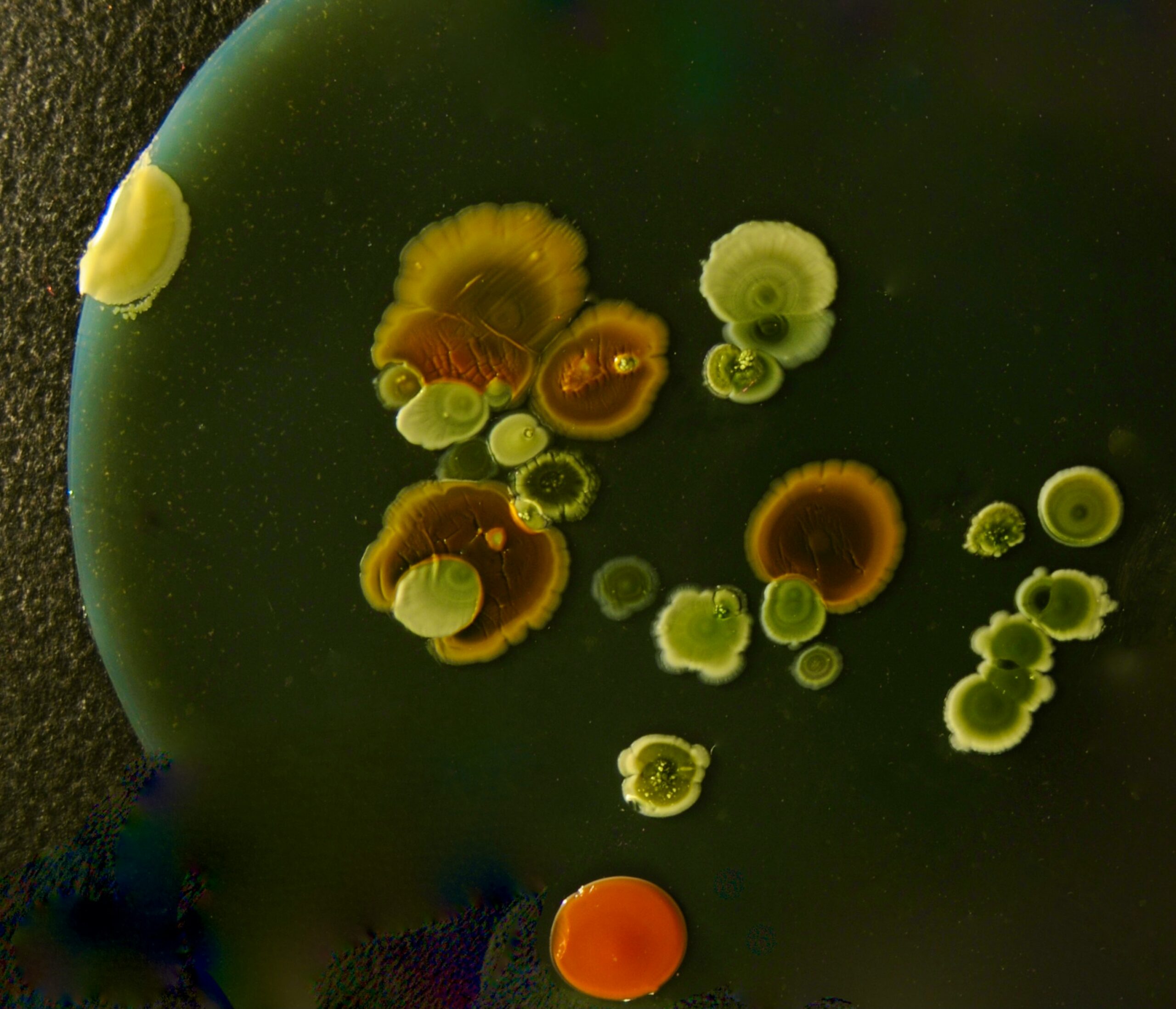
Pivot Bio created a solution. Rather than scattering chemicals on fields, they use microbes that attach directly to the crop roots. These engineered bacteria extract nitrogen directly from the air and convert it to plant food.
Nature already had the necessary knowledge. Legumes like soybeans rely on soil bacteria to make their own nitrogen through a process called biological nitrogen fixation. Pivot Bio chose effective organisms for the job and then improved them through genetics so that they could work with crops other than beans, such as corn and wheat.
Farmers treat seeds with these bacteria before planting. When the seeds germinate, the microbes attach to the roots and initiate nitrogen fixation. As the plants grow, the microbes continue to proliferate and continue their work all season long. The process is self-regulating; the smart bacteria respond to what the plant needs and supply just the right amount of nitrogen, right when and where it’s needed.
This targeted approach minimizes waste. The nitrogen stays at the roots, eliminating the need to worry about rain washing it away or escaping before plants use it. It remains in the ecosystem, feeding crops rather than polluting rivers and skies.
Chemical fertilizers are vulnerable to the weather. A big rainstorm can wash away a season’s supply of nitrogen in a single night. Droughts and dry periods convert it to gas. As a result, farmers end up speculating, scheduling their applications, and often applying extra after storms.
Pivot Bio’s PROVEN, their primary product, bypasses the issues. Since the bacteria live on the roots and make nitrogen continuously, there is no single moment that can be ruined by bad weather. The microbes are protected by the soil and remain effective regardless of rain, extreme heat, or any other weather conditions.
The results become apparent in the field. Even in rainy seasons when artificial fertilizer gets washed away, Pivot Bio’s crops still receive the nitrogen they need. The bacteria adjust to any natural challenges, eliminating the need for extra applications.
This robust quality makes life easier for farmers. They are not struggling to include fertilizer applications between unpredictable storms. The biological approach brings a level of stability that chemical methods simply cannot compare to.
Farmers are concerned with return on investment. Pivot Bio presents its product as a way to somewhat replace synthetic nitrogen. That means farmers can reduce chemicals but still keep their yields consistent.
Some early adopters of PROVEN say they have used 25 to 40 pounds less chemical nitrogen per acre and have not lost a bushel. With fertilizer prices where they are now, that is huge money saved.
You only have to apply the biological product once, right at planting. So, there is no need for repeat applications later in the season.
When fertilizer prices increase, the ROI on biologicals looks even better. Chemical nitrogen prices fluctuate widely because they are tied to natural gas, which is volatile. That implies that farmers are exposed to risk. By using a biological option, they get more price stability and do not have to worry so much about what is happening in the energy market.
Additionally, there are extra benefits. Regenerative agro-technologies like Pivot Bio’s can create opportunities in carbon markets and sustainability premiums. Food companies want grain with a low-carbon footprint. If farmers reduce chemical fertilizer, they can monitor those emissions savings and maybe even monetize the reductions.
The waste reduction is significant. Every pound of nitrogen that is retained in the crop rather than running off the field is a triumph for both the environment and the farmers, ultimately. In the long run, managing nitrogen better signifies healthier soil and a reduced need for pricey repairs when things become unbalanced.
Pivot Bio is not confined to research at this point; they are in full-scale production. They operate large-scale bioreactors that manufacture enormous amounts of microbes, preparing the distribution of conventional seed treatment methods. This arrangement enables farmers to incorporate the technology into their current operations.
Seed companies are beginning to include Pivot Bio treatments in their offerings, and major agro retailers are adding it next to traditional inputs. Using these established pathways signifies that typical farmers, not only the early innovators, can access the technology.
Currently, it works on corn, wheat, and other big cereal crops, so we are focusing on millions of hectares. Extending to more crops will require more effort; they are required to develop new microbes that align with each plant’s needs and can handle different growing conditions. There is ongoing research on rice, vegetables, and specialty crops.
Getting approval from regulators is important, especially for global growth. Every country has its own rules for microbial products, and Pivot Bio has to surmount those challenges to get to farmers outside North America.
Farming makes up about 10 percent of the world’s greenhouse gas emissions, and a significant portion of that comes from artificial nitrogen fertilizer. Manufacturing uses plenty of natural gas, and after it is applied, the fertilizer decomposes and releases nitrous oxide.
Transition to a biological nitrogen system, and both problems disappear. The microbes extract nitrogen directly from the air, fueled by the plant’s own energy. No heavy industry. Zero fossil fuels. No extra nitrous oxide escaping from the soil.
If farmers exchanged half of the synthetic fertilizer worldwide for biological nitrogen, it would reduce carbon emissions as much as removing millions of cars from the road. Water would get cleaner as lower nitrogen levels wash away. The oceanic dead areas would diminish. Air in farm country would be fresher with less ammonia circulating.
This shift corresponds with climate goals, and farmers do not have to produce less food to make it happen. The real challenge in agriculture has always been decreasing emissions without curbing production. Biological nitrogen finally makes that possible by helping farms run more efficiently, not by asking them to downsize.
The future is possibly a blend of traditional and modern methods. Some crops still need chemical nitrogen, particularly in critical growth phases or challenging soil conditions. The real aim is not to exclude chemical fertilizer completely but to use it only where nature can safely handle what is remaining, with no more pollution accumulation.
Food security and environmental health often seem at odds. On one hand, increasing harvests can harm the land. On the other hand, focusing solely on soil preservation could lead to famine. This makes agricultural policy a difficult balancing act.
However, Pivot Bio regenerative agriculture technology is changing the game. By enabling crops to absorb nitrogen more effectively, we can achieve the same yields while using fewer resources. This helps us make better use of limited assets without sacrificing production. The traditional conflict between sustainability and productivity starts to fade.
Add to this that precision technology can apply fertilizer exactly where it is needed. This includes practices like cover crops that enhance soil health and crop varieties that make better use of available nutrients.
These approaches work together. Farms can use biological nitrogen while also employing precision agriculture to optimize any chemical fertilizers still in use. Cover crops support microbes and protect the soil, creating a complementary system.
Ensuring long-term food security means keeping existing farmland productive. Expanding into wild areas only brings more environmental issues. By extracting more food from the land we already cultivate, and doing so sustainably, we can reduce the pressure to clear additional forests and grasslands.
Even the best farm technology faces real challenges in the field. Farmers are not willing to invest in products that don’t deliver results. It’s crucial for these products to perform well in real farming situations, not just during tests.
Pivot Bio recognizes this reality. They have carried out extensive trials and partnered with major agricultural companies. Results that show success in farming are often more persuasive than lab findings. When well-known brands endorse a product, it encourages cautious farmers to give it a try.
Cost also plays a significant role. A biological input must compete with chemical fertilizers. If switching to less chemical use does not save them money, many farmers will stick with what they know, unless they prioritize sustainability over price.
Additionally, education is key. Many farmers have never used biological products before, and some may feel uncertain about them. Information spreads through agricultural extension agents, agronomists, and neighbors who have successfully tried these products. Building trust requires time and real-world evidence.
Pivot Bio is not the only company looking at biological nitrogen solutions. Other businesses are developing various synthetic fertilizer alternative microbes, targeting different crops, or trying out new delivery methods.
Healthy competition drives innovation. When multiple companies thrive, it validates the idea and draws in more farmers. Having options pushes everyone to keep prices fair and show that their products are effective.
Established fertilizer companies are taking notice. Some are investing in biological startups or launching their own offerings. They already have distribution networks and customer relationships that could help them grow quickly if they find the right solution.
There could be several winners in this space. Farmers worldwide use over 100 million tons of nitrogen fertilizer each year. Even a small shift toward biological options can lead to a significant market. The key question is not whether biological nitrogen will capture a share, but rather how quickly it will happen and which methods will be most effective in different regions.
Wrapping up, Pivot Bio is a real, realistic alternative to the outdated approach of using industrial chemicals. Their PROVEN microbes fix nitrogen, so they get nutrients to crops right where they are needed. Farmers use fewer chemical fertilizers, which has a lower impact on the environment. Field productivity remains high, but fertilizer application decreases.
Solving the nitrogen problem is not just a nice-to-have; it is essential if we want to achieve emission targets. With smart bacteria and innovative technology, we do not have to choose between the right harvests and a healthy planet.
Transformation is already happening. Companies like Pivot Bio are leading the way, signifying to everyone what the future of farming looks like.