
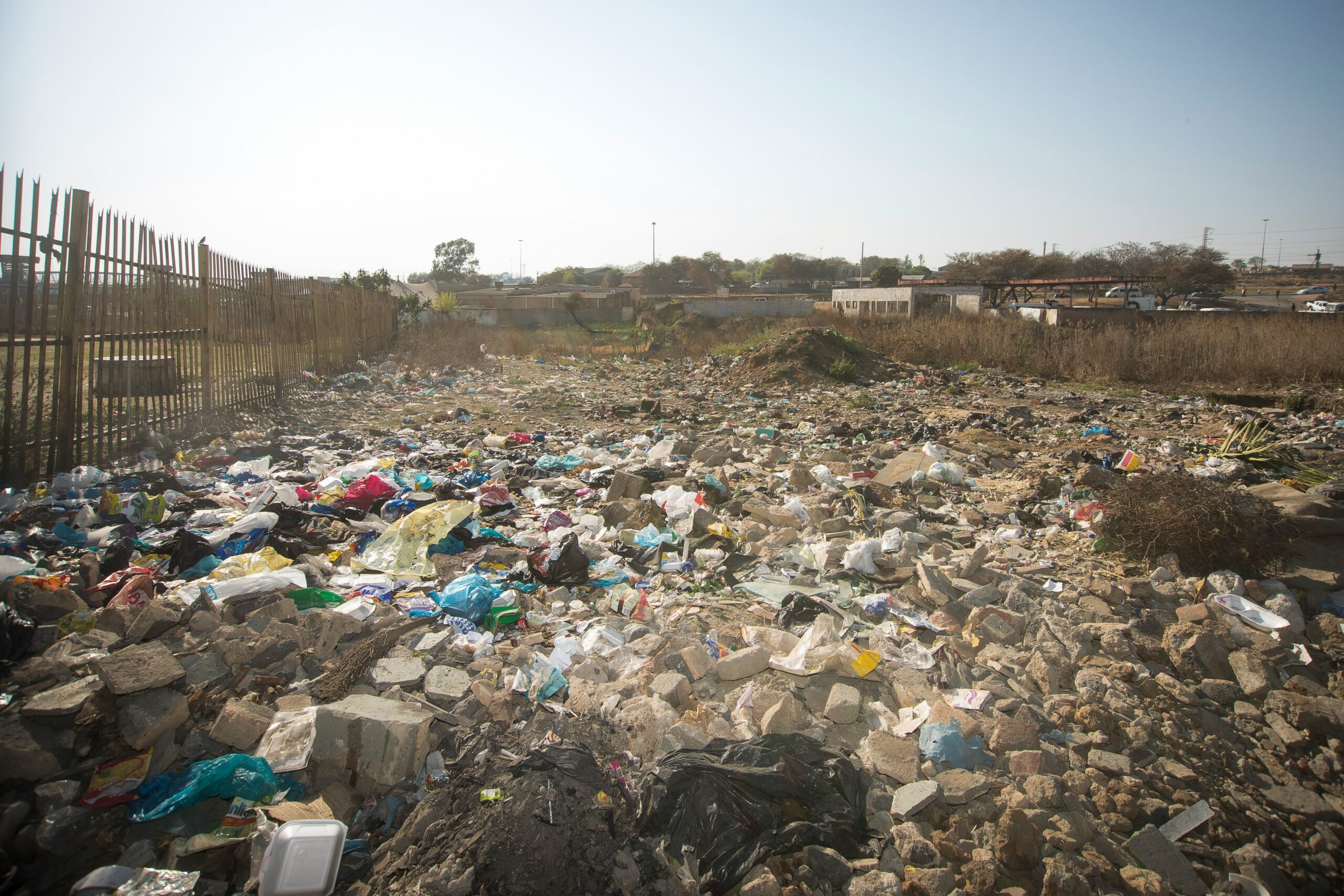
Waste management companies in Africa are gaining traction. This is not because of activism or campaigns, but because waste itself is now a business problem. As cities grow, recycling startups with proven track records are turning environmental challenges into real value and wealth.
Weak municipal infrastructure and rising population have left gaps that governments cannot fill. To address this, innovative companies are stepping in, led by experienced founders and teams with local expertise, turning recycling, reuse, and waste processing into profitable business models.
Africa’s waste problem is structural, not seasonal. Cities are growing faster than infrastructure, and consumption keeps rising. Yet formal waste collection is limited, less than half of urban waste is properly handled. Where governments fall short, private businesses see opportunity.
Waste management companies are building businesses from what already exists: plastic, organic matter, scrap metal, e-waste, and industrial byproducts. In Africa today, waste is no longer “filthy” it’s inventory. Industry experts note: these companies are addressing measurable environmental and economic gaps, showing that sustainable waste solutions can be profitable and scalable.
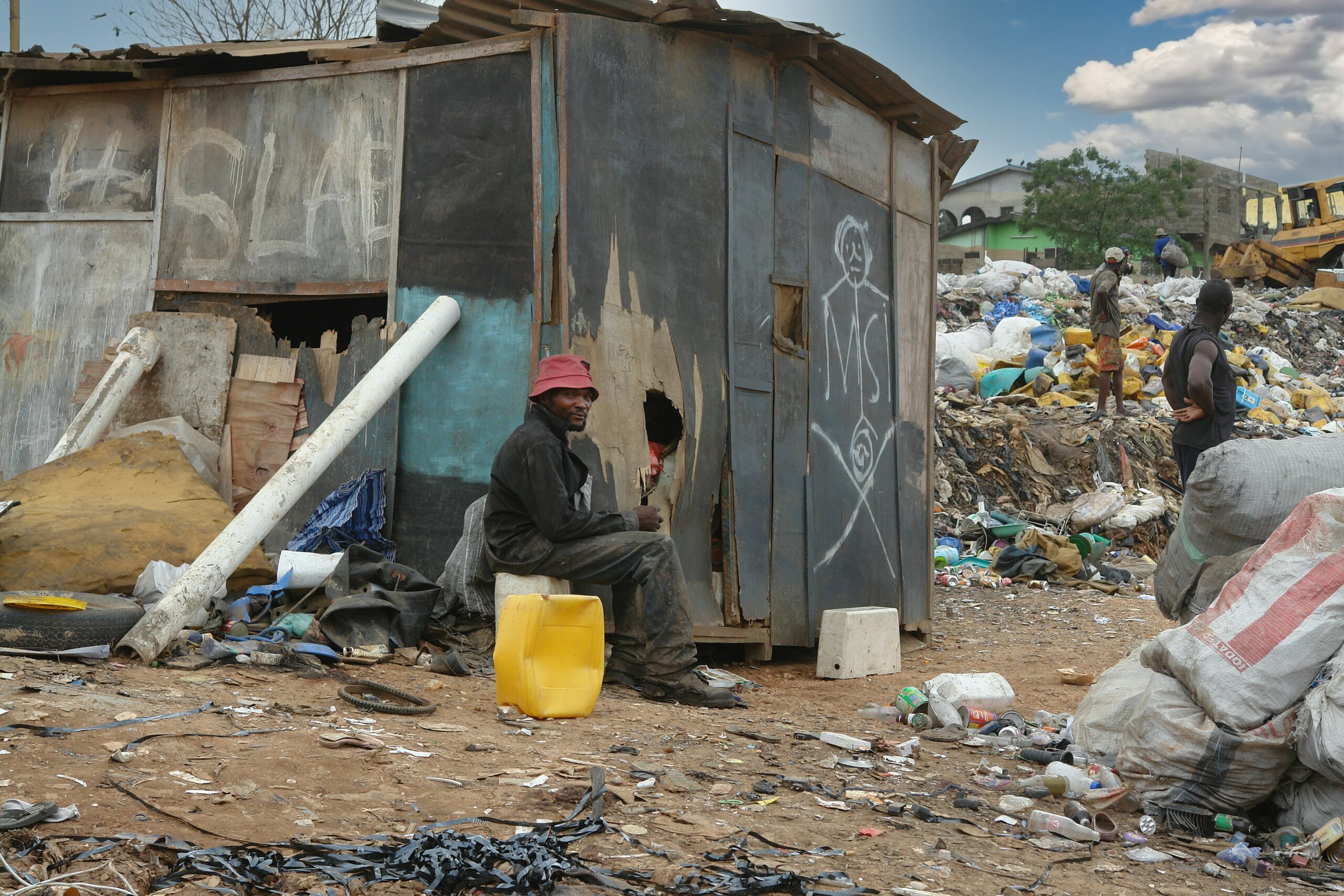
Image: Unsplash
Below is a look at companies recognized for their operational expertise and proven impact across Africa’s recycling ecosystem.
Founded in 2012 by Bilikiss Adebiyi-Abiola and her co-founders, Wecyclers focuses on household plastic collection through incentive-based systems. Through this model, participants earn rewards for recycling, which helps bridge informal collection gaps while serving Lagos’ informal areas, home to 66% of the city’s residents.
REDIN recycles plastic waste, purchases materials from collectors, and manufactures inputs for Nigeria’s recycling ecosystem. In addition, the organization collaborates with governments and NGOs to convert waste into resources and promote a cleaner Nigeria. Environmental policy experts frequently cite its work as a model for circular economy integration.
Coliba uses digital tools to connect waste pickers with collection centers. The company pays for collected plastic, which it then sends to recycling partners, making urban waste systems more efficient. Industry case studies on technology-enabled recycling in Africa have recognized this approach.
By integrating informal collectors into formal networks, Mr. Green Africa supplies recycled materials to manufacturers. Its 5,000-strong collector network turns waste into high-quality products, using technology to improve efficiency. Kenyan environmental authorities widely cite the company for its role in strengthening waste value chains.
Founded by Nzambi Matee, a recognized innovator in sustainable construction, Gjenge Makers transforms plastic waste into durable construction materials such as paving blocks. In doing so, the company offers sustainable alternatives to conventional concrete products.
Founded in 1979, EnviroServ manages industrial and hazardous waste while providing recycling, treatment, and landfill diversion services. The company combines local expertise with international standards, including waste-to-energy solutions and water treatment processes.
PETCO oversees plastic recycling infrastructure and works to guide South Africa toward a more circular and cleaner economy. To achieve this, it collaborates with manufacturers and policymakers to promote sustainability standards nationwide.
Founded by Olufunto Boroffice in Abuja, Chanja Datti focuses on recycling plastics, aluminum, paper, glass, and tires. Through these efforts, the company drives Nigeria’s green revolution while partnering with local authorities to measure environmental impact.
Founded by Alex Musembi, Africa Collect Textiles recycles textiles to extend the life of clothing and reduce landfill pressure. At the same time, it sells affordable recycled products to local markets.
Averda provides large-scale waste management services across African cities, serving both households and industries. Its team of waste management engineers and technology specialists converts waste into usable resources, creating economic value in the process.
Traditional waste management focuses on disposal; African recycling companies focus on recovery and reuse.
They design models that:
This aligns business incentives with environmental impact—without relying on subsidies or charity. Private companies are bridging gaps where public systems cannot. Waste is increasingly treated as a commodity, not just a problem.
Waste businesses are labor-intensive, creating jobs for:
These opportunities demonstrate how recycling strengthens local economies while supporting sustainability, a point highlighted in recent African Development Bank reports on green jobs.
Many African innovations succeed quietly. There’s no viral campaign—just practical solutions tested in real urban environments. Waste piles up, cities face pollution, and manufacturers need materials. Companies that meet these needs thrive because their solutions work under local constraints, solving problems that cannot be ignored.
Startups in Africa are shifting from charity to industry. They turn cleanup into commerce and awareness into infrastructure. Recycling companies monetize market gaps, turning waste into wealth.
This trend signals a future where sustainability is a core economic activity, backed by skilled teams, governance partnerships, and measurable impact metrics, rather than promises.
In conclusion, Africa’s waste challenge is no longer driven by awareness or urgency alone, but by economic necessity. As cities expand and consumption rises, recycling and waste management companies are proving that waste can function as a viable input into productive industries. By working within local constraints, integrating informal labor, and supplying manufacturers with recycled materials, these businesses turn structural gaps into sustainable value.
What distinguishes this shift is execution, not advocacy. The companies highlighted operate where public systems fall short, creating jobs, strengthening supply chains, and delivering measurable environmental impact without relying on subsidies or campaigns. In this model, waste management is no longer a cause, it is an industry, and one that is increasingly central to Africa’s urban and economic future.