SpaceX went public at $135 per share on June 12. As of four days later, the price was already at $225.64 per share. It started to fall, bottoming out by mid-July at $122. A price lower than its initial offering. Up 67%, down 45%, inside of five weeks, a far from ideal window for building investor confidence.
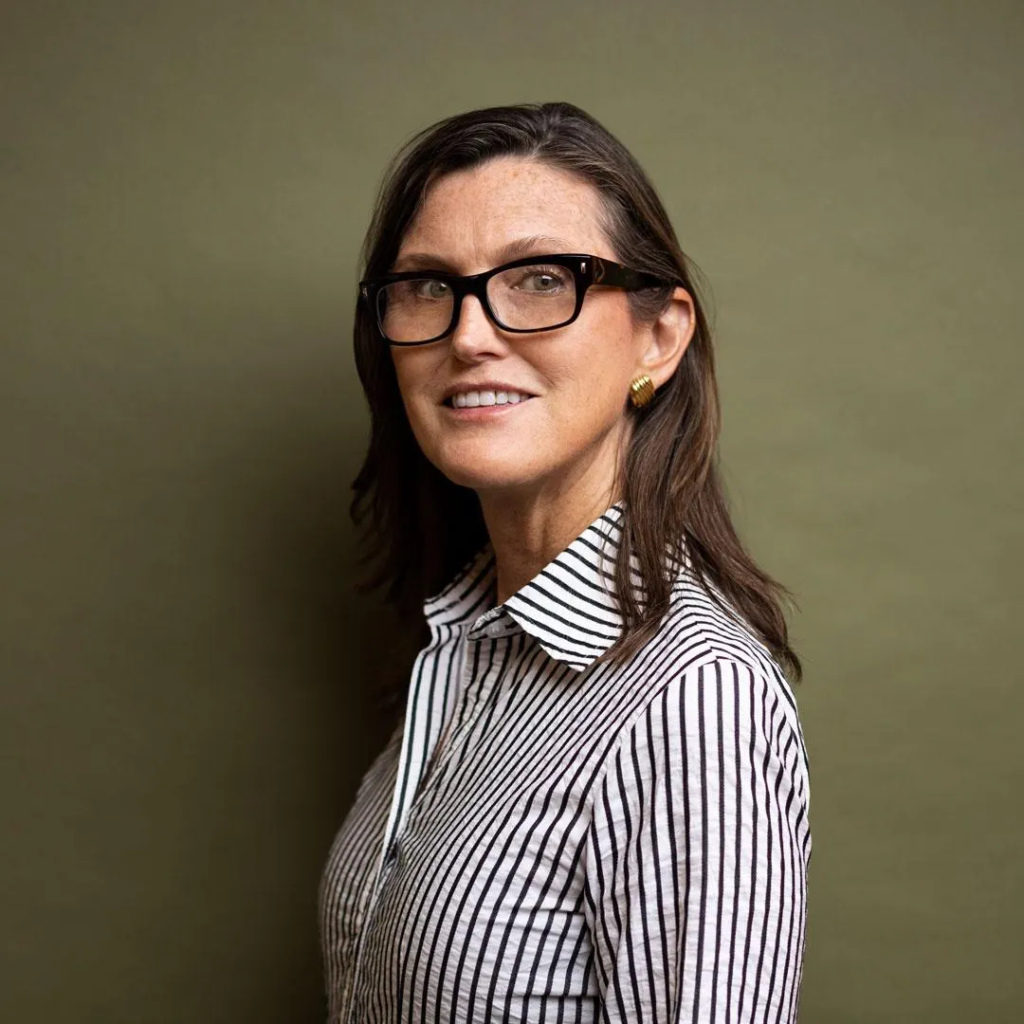
Cathie Wood’s funds bought every step of the way.
She didn’t sell a single share from her funds on either the way up or the way down.
That kind of confidence isadmirable
Is There Method to the Madness?
What Wood has done is not unprecedented for her. SpaceX is only attracting attention because of its IPO, which is both a huge draw for retail investors, and one of the most closely watched in years. $444 million on the launch day, $7 million in the first week of July, $36 million in two days in mid-July, $52 million the week the price bottomed out, and $38 million the week Wood bought shares at the lowest price yet.
This no longer sounds like a collection of data points but rather like a commitment to buy SpaceX shares regardless of price. Wood specifically believes that Starlink (the satellite internet product) will be worth $2 trillion – versus $1.5-$1.6 trillion for the whole company currently, so the lower the stock price, the bigger the bargain.
This is common sense reasoning for why buying shares at $122 is a smarter idea than buying them at $225, and it is also the same logic that has made her a target for criticism after her funds’ disastrous 2022 performance.
Lessons from a Rollercoaster Strategy
In 2020, her fund made approximately a 150% return, one of the best yearly displays of long-only fund performance and one that earned her a magazine cover. In 2022, the same strategy delivered a performance of over -60%, with the fund still failing to recover to the peak of 2021, multiple years later.
Nobody talks about those two funds in the same breath despite the similarities in strategy because it is inconvenient, but if there is any wisdom in this SpaceX gamble, it is that investors should always remember that the market will surprise you, potentially multiple times.
Beyond the Hype: The Case for SpaceX
Even without Wood, the case for SpaceX is understandable. It currently has no meaningful competitors at the scale it operates at, and Starlink went from a neat idea to an actual product, securing paying customers. It is reasonable to speculate that the company’s upcoming plans in the fields of AI infrastructure and computational hardware will provide another leg to growth.
That doesn’t make a short-term case for buying SpaceX. The stock market is inherently risky and uncertain.
Beyond Wood’s star power is that there appears to be a serious disagreement between longs and shorts about the company’s prospects.
The mean analyst price target is at $240 per share, with Morgan Stanley even going as high as $300. Meanwhile, almost a third of SpaceX’s shares are sold short, meaning there is a meaningful amount of capital on the other side of the trade, betting on price declines. Elon Musk on the other hand has said that short sellers will not survive.
Fingers crossed till August 6, when SpaceX will report its first set of earnings as a public company. Everything before that date is speculation dressed up as analysis no matter how confident the language.
Looking Beyond the Big Names
It is easy to forget when discussing SpaceX that it is only one of multiple names that Cathie Wood’s funds have purchased in the last year.
She buys small, young companies in nuclear energy, defense, and driverless cars which do not often capture the same amount of mainstream attention that SpaceX does.
SpaceX is notable, but it is not the whole story of her investing.
Performance Beyond the Headlines
It is easy to forget when discussing SpaceX that it is only one of multiple names that Cathie Wood’s funds have purchased in the last year.
She buys small, young companies in nuclear energy, defense, and driverless cars which do not often capture the same amount of mainstream attention that SpaceX does.
SpaceX is notable, but it is not the whole story of her investing.
Performance Beyond the Headlines
If you were to measure Cathie Wood’s performance over the last ten years and compare it to a standard S&P 500 index fund, her funds underperformed in some of those years. When you hear about those 150% returns in 2020, or those -60% in 2022, it is easy to forget that the years in between were, on average, merely unremarkable.
That is not to criticize conviction-based investing. It is to remind investors that investing a particular fund or stock that has done well recently is not a guaranteed recipe for success.
Remember that both sides exist. A 60% drawdown in 2022 may be balanced by a spectacular year like 2020. Consult a financial professional before doing anything that could have serious financial consequences for you.
What This Means for You
None of this is financial advice—it is merely to provide context.
Getting access is easy enough. Brokers offer direct trading in US markets or local exchanges with a bridge to them.
In either case, you are converting your local currency (Nigerian naira, Kenyan shillings, Ghanaian cedis, or South African rands) into dollars. The value of the local currency against the dollar is a factor that can eat into your returns, potentially substantially, so it is a good idea to be aware of it.
Also remember that fees and withdrawal limits vary widely between brokers, so it may be worth looking into those before opening a brokerage account.
It is easy to forget when discussing SpaceX that it is only one of multiple names that Cathie Wood’s funds have purchased in the last year.
She buys small, young companies in nuclear energy, defense, and driverless cars which do not often capture the same amount of mainstream attention that SpaceX does.
SpaceX is notable, but it is not the whole story of her investing.
Performance Beyond the Headlines
If you were to measure Cathie Wood’s performance over the last ten years and compare it to a standard S&P 500 index fund, her funds underperformed in some of those years. When you hear about those 150% returns in 2020, or those -60% in 2022, it is easy to forget that the years in between were, on average, merely unremarkable.
That is not to criticize conviction-based investing. It is to remind investors that investing a particular fund or stock that has done well recently is not a guaranteed recipe for success.
Remember that both sides exist. A 60% drawdown in 2022 may be balanced by a spectacular year like 2020. Consult a financial professional before doing anything that could have serious financial consequences for you.
What This Means for You
None of this is financial advice—it is merely to provide context.
Getting access is easy enough. Brokers offer direct trading in US markets or local exchanges with a bridge to them.
In either case, you are converting your local currency (Nigerian naira, Kenyan shillings, Ghanaian cedis, or South African rands) into dollars. The value of the local currency against the dollar is a factor that can eat into your returns, potentially substantially, so it is a good idea to be aware of it.
Also remember that fees and withdrawal limits vary widely between brokers, so it may be worth looking into those before opening a brokerage account.
Thanks for reading Venture Stori. Check out our feature on LawTech Brands Providing Affordable Online Legal Services to see how digital platforms are reshaping business operations and legal compliance across Africa.