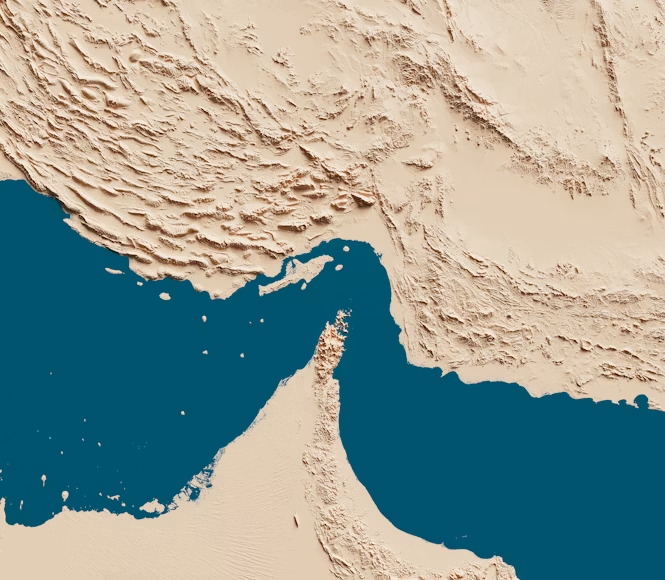
Oil prices skyrocketed again this week after Iran hit oil vessels close to the Strait of Hormuz and Washington officially cancelled its sanctions waiver on Iranian crude oil exports. These actions have brought back the fears about global oil supply that should’ve ended when Iran and the U.S. signed in June.
For African founders, business owners, and investors, rising oil prices, Iran attack in 2026, and currency shocks have affected the Naira, Cedi, Rand, etc. Here’s a breakdown of what Iran’s attack in 2026 actually means for African economy and businesses.
The Brief Picture
Brent crude oil prices haven’t hit a stable price throughout 2026, as the U.S.-Iran war has escalated, de-escalated, and then escalated again. In early March, there was a 10-13% increase in oil prices. A barrel was sold for $80-82 after the International Energy Agency’s director, Dr. Fatih Birol, proclaimed that it was the greatest energy security threat in history.
The market was stable in June after both countries agreed to a memorandum of understanding. But prices rose by over 3% to about $76 per barrel after the U.S launched yet another strike on Iran and ended its sanctions waiver on Iranian oil. As its response to attacks on three commercial oil vessels on the Strait of Hormuz.
Prices have hit their highest since June. Brent crude oil currently trades above $75 a barrel, while the U.S. crude oil price has risen above $72.
What is most striking about the conflict is how oil prices instantly skyrocket as soon as the Strait of Hormuz, which is responsible for about 20% of the world’s oil trade, is affected by any external threat. Within hours of any major disruption, oil prices reach crazy heights.
There’s a lot of speculation and debate about what the future holds for oil prices. Experts at Citi predict that within a year, oil prices will fall to $60-65 a barrel if there’s a ceasefire between both countries. But with the latest attack, it may not happen.
Nigeria: Hit from Both Sides
Nigeria is in a unique position because it is both an importer and exporter of oil. Whenever global oil prices skyrocket, the government makes money from exports. But Nigeria imports most of its oil—about 81.8% of Nigeria’s total imports of crude oil, gas, and refined petroleum products- so the high global price will also affect its economy.
Between late February and mid-March, petrol in Nigeria was selling for ₦1,288 per liter, leading to worsening inflation across the country. With analysts suggesting it could go as high as ₦1,500 and over ₦2,000 if the crisis continues.
The Dangote Refinery now supplies about 87% of petrol in Nigeria; it still imports its oil at international prices and sells it at a high price (₦1,075). So despite oil being locally refined, it has not protected Nigerians from the global oil price hike as they hoped.
Many businesses in Nigeria rely on generators to run their operations, so the global oil price surge in Africa in 2026 will surely have an impact on their business, especially now that there’s no fuel subsidy to soften the blow.
Kenya: Oil Prices Put Pressure on the Shilling
Kenya is not a crude oil producer. All the oil it uses is imported. This means the Kenyan fuel price in 2026 hiked as a result of being tied to global oil prices. Between March and April 2026, the cost of imported diesel rose by 68.72%, while kerosene prices doubled. The inflation rate in Kenya went from 4.4% in March to 5.6% in April, as transport and food prices became more expensive. Businesses’ profits slowed.
The Kenyan government cut VAT on fuel and used money from the Petroleum Development Levy Fund to alleviate the price hike. However, these measures only proved to be temporary fixes. With reports of a fresh wave of violence around the Strait of Hormuz, the Kenyan government may be faced with yet another oil prices hike as it is yet to recover from the last increase.
South Africa: Higher Oil Prices, Higher Costs
Although South Africa exports small amounts of refined petrol to Botswana, Eswatini, and Zimbabwe, it imports its primary crude oil. So global oil prices will also affect the cost of petrol in the country. This happened during the conflict earlier this year. Petrol prices skyrocketed by 14% and diesel prices by nearly 24% in a single pricing cycle as the Brent crude oil price went from roughly $93 to $101 a barrel.
In April, the largest diesel price increase in 50 years and the fifth-largest monthly petrol price increase in South African history were reported. Transportation costs, by land or air, felt the impact of the new petrol prices.
By late June, the situation was considerably better than the previous months. Oil prices dropped to $86 a barrel, and the Rand was quite stable at R16.38 to the U.S. dollar, making fuel prices more affordable for South Africans starting July 1st.
But barely two weeks later, that relief is at risk. If tensions continue to rise along the Strait of Hormuz, the country could potentially face the third round of high petrol prices this year, which will increase inflation and put pressure on the South African Reserve Bank to raise interest rates.
Ghana: Managing The Double Edge
Ghana imports and exports fuel just like Nigeria. Its crude oil is obtained from its Jubilee and OCTP fields, but it imports over 72% of the refined petrol products used in the country. Because of the high import rate, the global oil price will affect the price of fuel in the country.
The government has decided to provide temporary relief by reducing diesel and petrol prices by GH¢2.00 per liter and GH¢0.36 per liter, respectively, in April 2026 instead of bringing back fuel subsidies. According to Fitch, the cost of this operation is under 0.1% of GDP per month, small enough for the government to handle without putting considerable pressure on public funds.
The Cedi has not been spared either; it has weakened by about 8.4% compared to the U.S. dollar this year as oil prices continue to hit new peaks. Although the Cedi gained significant strength, appreciating by about 30% over the past year.
For businesses in Accra, the situation is one of optimism. Ghana’s recent economic reforms have given it the necessary boost to handle higher oil prices compared to a few years ago, but it isn’t a permanent fix. If oil prices do not come down or continue to skyrocket over the next few months, businesses in Ghana will be faced with inflation and economic problems.
What This Means For Diaspora Investors
Rising oil prices, Iran attack 2026, and currency shocks have made businesses more volatile. Companies that mostly depend on transportation and petrol for their day-to-day activities are probably going to feel the heaviest pressure compared to the remote software-based sectors.
When oil prices start skyrocketing, investors must understand the importance of managing currency risk. Businesses that make profit in Naira, Cedis, or Shillings and expenses in U.S. dollars or pounds need to discover ways to hedge against exchange rate swings.
What To Watch
There will be three key factors to watch out for: what happens between the U.S and Iran, whether oil vessels will be allowed to pass through the Strait of Hormuz, and if OPEC+ will increase its oil production to stabilize oil prices.
If a ceasefire is agreed to, Citi has predicted that oil prices should fall to about $60-65 a barrel, which would reduce petrol prices across Africa. But if it doesn’t happen, African businesses and diaspora investors should make plans for higher costs on petrol, transport, and logistics for as long as the conflict continues.
Thanks for reading Venture Stori. Stay ahead of the latest market trends, policy shifts, and business insights by checking out our story on Tech Ecosystems: Best Apps That Make Learning Tech Skills Easier