Registering your business name with the Corporate Affairs Commission (CAC) does not completely protect your business name. It doesn’t stop a competitor from using a similar name or copying your logo. The competitor might even go ahead and trademark your business name before you do.
But this doesn’t mean you should skip CAC registration. It’s important. If you relax after getting a CAC certificate, your business name or logo is halfway protected. This guide covers both sides: how to register your business name properly and what trademark registration actually adds on top of it.
Business Name Registration vsTrademark Registration
Business name registration with CAC is an administrative filing. It tells the Nigerian government that your business exists, the owner of the business, and the name of the business. It lets you open a corporate bank account, sign contracts in your business’s name, and bid for certain contracts. It also gives your business name a bit of protection because CAC won’t register an identical name to someone else within the same category.
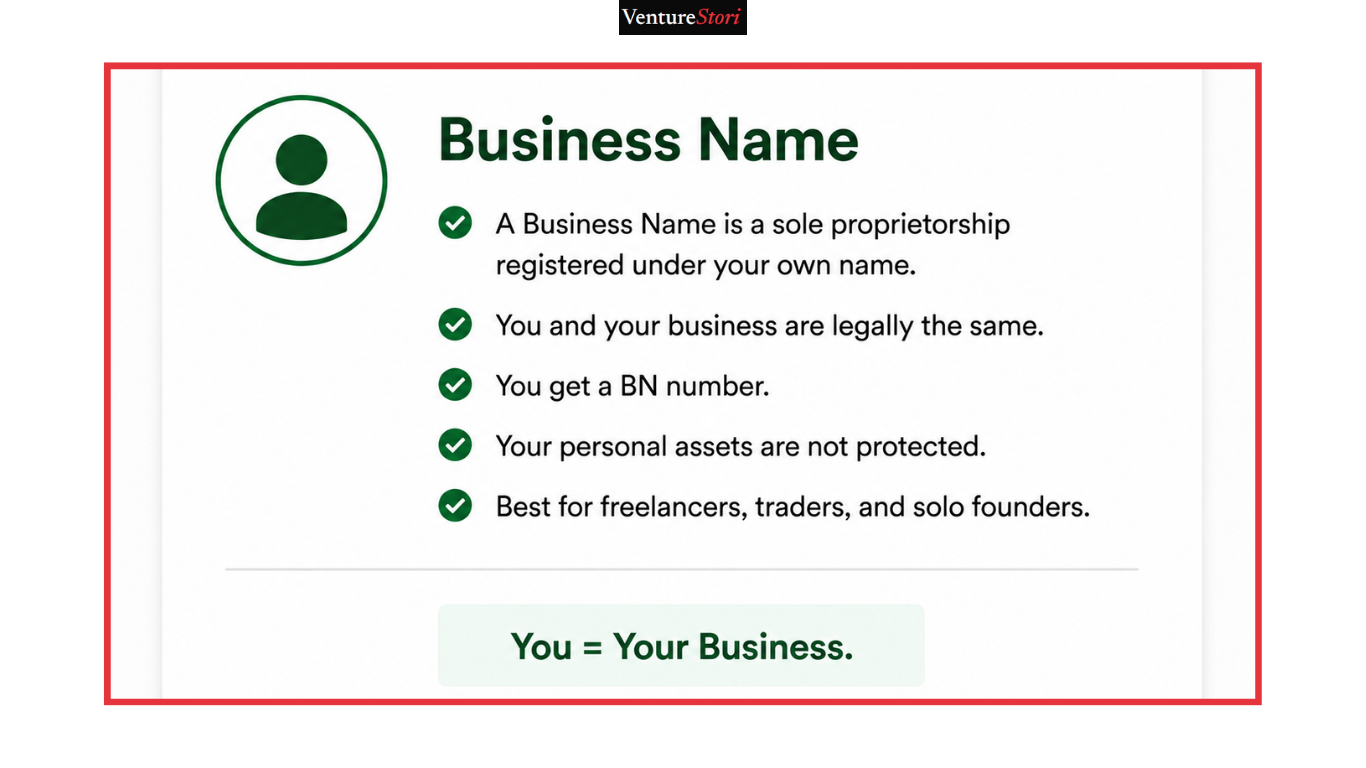
What Exactly Is a Business Name?
Trademark registration with NIPO (the Nigerian Intellectual Property Office), formerly called the Trademarks, Patents and Designs Registry is a completely different legal niche. It gives you nationwide exclusive property rights over a brand name, logo, or slogan. It’s the only registration that lets you take legal action against someone using a suspiciously similar mark even if that person or company has not done CAC registration at all.
A CAC-registered business name doesn’t give you full legal grounds to sue another brand for unauthorized misuse of your brand name or logo. You’d need a trademark to do that, and if you never filed one, there may be nothing to enforce.
Most business entrepreneurs have lost their brand name or logo as a result of this. If a business only registers their name under CAC, and another brand knowingly or unknowingly (mostly knowingly) registers the same or similar name and goes ahead to trademark the name or the logo. The original brand name owner has lost the rights to use that name or logo again.
Register your business name first, because you need to operate legally. Trademark registration can come next, because it’s the step that actually offers protection your growing business needs.
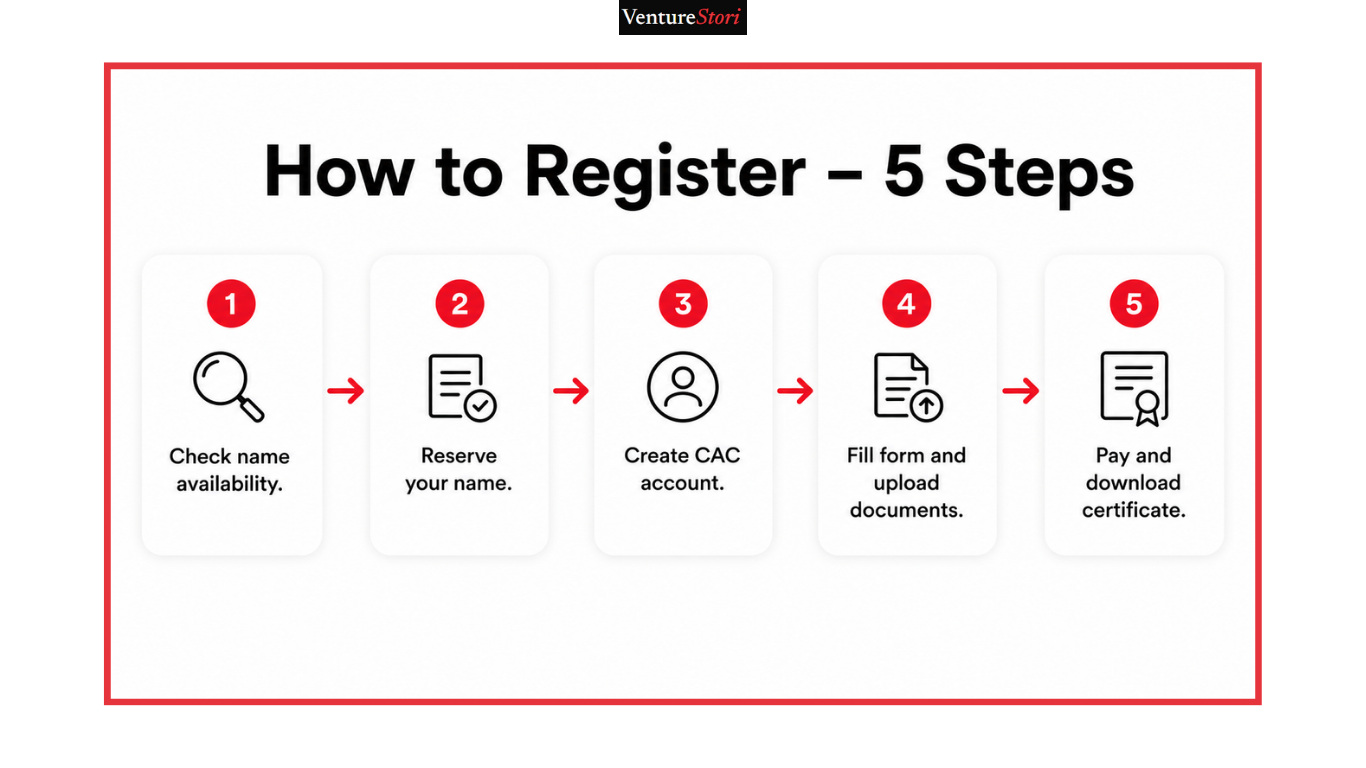
Step 1: Search for Your Business Name on the CAC Portal

Firstly, search your business name on the Corporate Affairs Commission Portal. This will help confirm that your preferred business name is not already taken by a registered business in the same category. The search doesn’t take much time—just go to Chrome or your preferred search icon and type in “CAC Portal.” Then click on “Search Existing Businesses.” Picking a name that is already taken wastes both your money and your time because you have to start the whole registration process all over.
Practical tips for this stage:
- Have two or three alternative names in case your first choice is taken.
- Avoid names that are too generic or simply describe what you do (e.g., “Fashion Store”).
- Don’t pick a name that resembles a famous brand or an existing registered trademark. Even if the Corporate Affairs Commission (CAC) approves the name, the trademark office might block it later for copying another company.
Step 2: Reserve Your Business Name
Once your name is approved, you will pay a small fee to reserve it so nobody else can take it while you finish the rest of your registration. Reserving a name usually costs between ₦1,000 and ₦1,200. It holds the name for you for a window period of 60 days.
If you do not complete the main registration before those 60 days are up, the reservation will expire, and someone else can claim the name.
Step 3: Complete Registration With Owner Details
Once your name is reserved, you can start the registration properly by submitting your details to the Corporate Affairs Commission (CAC). These are the documents to submit:
- A valid means of identification for the business owner (your national ID (NIN), International Passport, Driver’s License, or Voter’s Card).
- A passport photograph:
- A clear, recent photo of your face.
- Business address (a traceable physical address; a P.O. Box alone isn’t accepted)
- The nature of business (a clear description of your business)
- If you have partners in the business, submit the details as well for your partners.
Note: CAC registration fees usually change from time to time. Right now, official government fees range from about ₦10,000 to ₦25,000, depending on the latest rules when you apply. Because these prices change, do not rely on any blog post for the final cost. Always check the official CAC portal for the current fee right before you pay.
Step 4: Get Your Certificate: If all your documents are correct and there are no system delays, you should get your certificate within 24 to 72 hours of completing your business name registration. It can take slightly longer if there is an issue with your paperwork.
After your application is approved, the Corporate Affairs Commission (CAC) issues your official business name registration certificate, which serves as your primary proof of legal entity status. Download and save a digital copy in Google Drive, but also print out a physical hard copy because you will need it when you want to:
- Open a corporate business bank account
- Handle tax identification procedures
- Apply for government licenses, permits, or commercial contract bids
Properly storing both digital and physical copies ensures your post-business name registration milestones go off without a hitch.
Common Mistakes That Delay Business Name Registration
- Choosing a name too close to an existing one: Even tiny changes in spelling or spaces can cause CAC to reject your name if it sounds too much like a business already registered.
- Using restricted words without permission: Words that sound official like “Bank,” “Insurance,” or “University,” require special government approval before you can use them in your business name.
- Inconsistent owner details: Using different names, spellings, or ID numbers across your documents will delay your application. Make sure all your details match your official ID.
- Missing the deadline: If you don’t finish your main application before your name reservation expires, you will have to pay for a new search and reserve the name all over again.
How Much Does The Registration Cost?
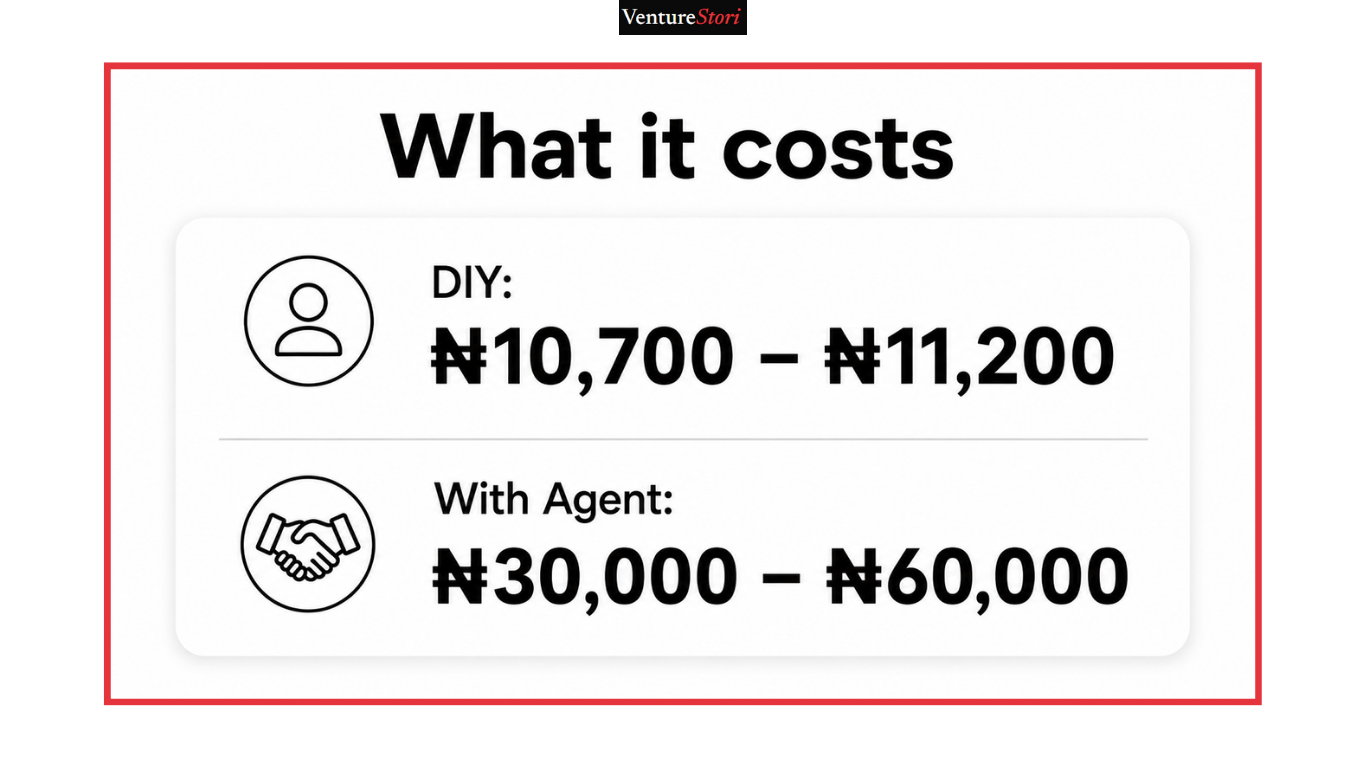
- Doing the registration by yourself: If you handle the process yourself directly on the CAC portal, the total official government fee comes to roughly ₦10,500 to ₦25,000 (this covers both the name reservation and full registration). This is an estimate, government fee schedules can change.
- Registering through an agent or using a platform: If you pay an agent, lawyer, or online registration service to do it for you, the total cost will usually range between ₦15,000 and ₦50,000. This higher fee covers their service charges, document prep, and handling the application for you.
Should you do it yourself?
Yes, handling business name registration on your own is simple enough to manage without outside assistance.
The CAC online portal is built specifically for self-service business name registration, the required documents are straightforward, and the digital filing process does not require heavy technical effort. Unless you prefer paying an agent purely for the sake of convenience, doing your own business name registration is a great, budget-friendly choice.
(Kindly note that trademark registration is a totally different case and usually requires expert help, as explained in the next section.)
Business Name Registration: Trademark Registration
This is the registration most business owners skip, usually because they assume their CAC certificate already covers it. It doesn’t.
In business name registration, A trademark gives you exclusive ownership over your brand’s unique identity. It can protect:
- Your exact brand name
- Your business logo
- Your tagline or slogan
When you register a trademark, you get full legal protection across the entire country for your specific type of business.
This means if a competitor tries to use your logo, a confusingly similar name, or your exact slogan to steal your customers, a trademark gives you the legal power to sue them.
Business Name Registration: The NIPO Trademark Registration Process
Securing your trademark alongside your initial business name registration is handled by the National Industrial Property Office (NIPO) and follows these main steps:
Certificate issuance: If no opposition succeeds, NIPO issues the registration certificate, finalizing the legal shield you started building back at the business name registration stage.
Trademark search: Check NIPO’s official database or portal to verify that your brand name, logo, or the identity you established during business name registration is not already used or pending in your business category.
Fill out the application: Submit your mark, your details, and the specific business category. Nigeria does not allow multiple categories in one application, so you must file a separate form for each category you want to protect.
The Examination: NIPO reviews your application to ensure it follows statutory rules and does not copy an existing brand.
Publication in the Trademark Journal: Once approved by the examiner, your trademark is published in the official Trademarks Journal for public review.
Objection period: For about two months after publication, anyone who feels your trademark infringes on theirs can officially object.
For a straightforward application with no objections, the entire process usually takes 6 to 18 months. Unlike CAC business name registration, which takes just a few days, trademark approval takes months, and any legal disputes or missing details will extend that timeline even further.
How Much Does The Registration Cost?
Total cost, in business name registration depends on who handles the registration for you. Based on current information from multiple sources:
- Official basic government fees for a single class can start as low as roughly ₦15,000 – ₦20,000 in official NIPO charges for the application stage alone.
- Mandatory journal publication: Publishing your trademark in the official government journal costs an extra ₦50,000 per class.
- Total Cost: When you add up the initial search, application, publication, certificate fees, and lawyer or agent fees, the final cost usually sits between ₦150,000 and ₦350,000 for one class.
Some DIY-only estimates (skipping professional help entirely) for business name registration come in lower, while full-service agent or lawyer packages for trademark and corporate filings can run higher, particularly across multiple classes.
The gap between bare government fees and total costs is what takes most business owners by surprise. Headline prices often hide extra expenses. Some initial quotes for business name registration leave out official journal or processing fees, while others add high legal charges or multiplier fees if your brand spans multiple product lines.
Always double-check current rates and request a detailed, step-by-step price quote from your agent before paying a single kobo. Because the true cost of business name registration and brand protection varies depending on who handles your paperwork, you should be careful with online guides that promise one exact, unchanging price.
How Long Trademark Protection Lasts
Once approved, a trademark registration in Nigeria lasts for 7 years from the date you applied. It does not expire permanently. You can renew it for 14 years at a time.
However, renewal is not automatic. You have to apply and pay the renewal fee yourself before the period ends to keep your brand protected.

Free in 2026.
Business Name Registration: The Risk of Waiting
Waiting until your business is “big enough” and hoping to handle business name registration later is the exact mistake that costs many Nigerian business owners their brands. If a competitor or squatter registers your trademark before you do, they become the legal owner of your name even if you registered with CAC years earlier.
CAC Registration tells the government that your business legally exists. Business name registration tells the law that your brand identity belongs to you alone. If you are serious about building a lasting business in Nigeria, not just operating legally, but truly owning the name and reputation you build, you need both CAC incorporation and formal trademark protection.
- Start with business name registration: Get your enterprise officially registered so you can operate lawfully, open a corporate bank account, bid for contracts, and manage taxes properly.
- Follow up with a trademark: As your brand grows and people start recognizing your logo, name, or slogan, secure a trademark. Treat it as a necessary requirement rather than an optional extra.
A trademark is the only registration that gives you total, enforceable ownership of your brand. By the time most business owners realize how badly they need one, it is often because someone else has already registered their name first.
Fee and timeline figures in this guide reflect a range drawn from current CAC and NIPO fee schedules and agent-reported costs at the time of writing. Both schedules have changed more than once recently, so confirm exact current figures directly on the CAC and NIPO portals, or with an accredited agent, before budgeting or filing.